Using Ginger to Ease Migraines: Grandma’s Trusted Balm
Many suffer from the throbbing ache of migraines, the kind that turns a bright day into one spent in a dark room, curtains drawn. While modern medicine offers an array of solutions, there's an ancient remedy that has bee
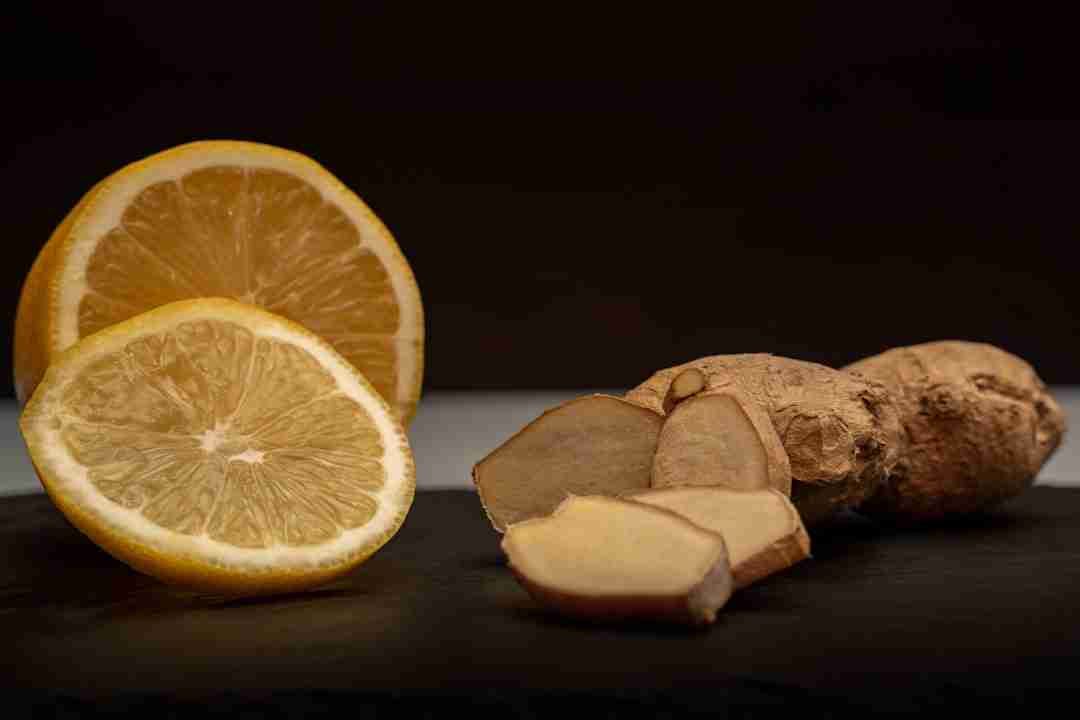
Many suffer from the throbbing ache of migraines, the kind that turns a bright day into one spent in a dark room, curtains drawn. While modern medicine offers an array of solutions, there's an ancient remedy that has been whispered from generation to generation. Ginger, a trusted ingredient found in Grandma's kitchen, holds a surprising potential to ease these debilitating headaches. This isn't about fleeting relief but rather a natural alternative that might make a noticeable difference.
Ginger's Active Ingredient: A Natural Pain Reliever
Ginger's reputation as a remedy doesn't rest on tradition alone. The root's effectiveness lies in its active component: gingerol. This compound is known for its anti-inflammatory and antioxidant properties, which are key in alleviating pain. A study published in Phytotherapy Research found that ginger can significantly reduce the severity and duration of migraines. This makes it a natural, accessible option for those looking to manage their symptoms without heavy reliance on pharmaceuticals.
Here's the thing: gingerol works by inhibiting the production of prostaglandins, compounds that trigger inflammation and, consequently, pain. This is similar to how some over-the-counter pain relief medications function, but without the synthetic ingredients. For migraine sufferers, this means ginger offers a double benefit: reducing inflammation and alleviating nausea, a common migraine symptom. Ginger's anti-nausea effects have been recognized in various cultures and supported by scientific research, making it a dual-action remedy that addresses multiple migraine symptoms at once.
Using Ginger Tea for Migraine Relief
One of the simplest ways to incorporate ginger into your migraine-management routine is through ginger tea. This warm, soothing beverage can be prepared easily at home and offers a comforting ritual that might help mitigate migraine discomfort.
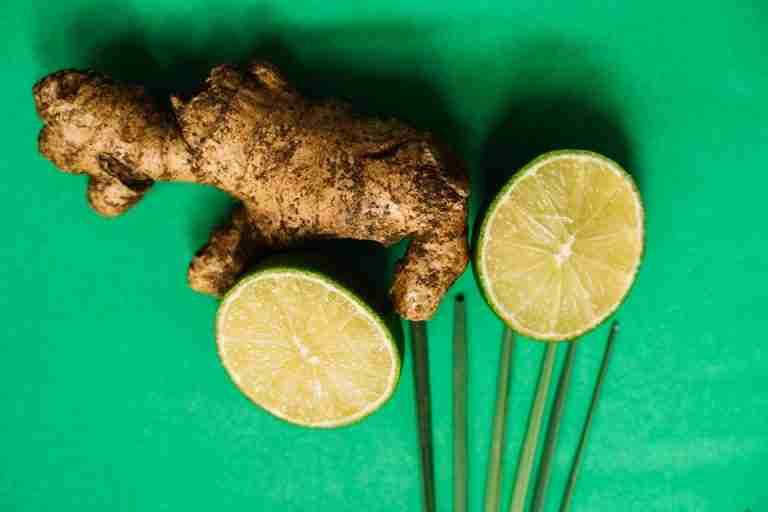
To make ginger tea, slice a 1-2 inch piece of fresh ginger root and simmer it in two cups of water for about 10 minutes. Strain the liquid and add honey or lemon to taste if desired. Experts suggest drinking the tea at the onset of a migraine for the best results. This method not only harnesses ginger's pain-relieving properties but also provides the added benefit of hydration, which is crucial during a migraine episode. Keeping hydrated can help prevent dehydration-induced migraines, making this tea doubly beneficial.
Drinking ginger tea regularly may also help reduce the frequency and intensity of migraines over time. It's a small, simple habit that can be integrated into daily life with minimal effort. Consider setting a daily routine by having a cup of ginger tea every morning or evening, aligning it with other calming practices such as reading or meditating. This integration can foster a habit that not only supports migraine management but also nurtures overall well-being.
Ginger Supplements: A Convenient Alternative
For those who find preparing ginger tea too time-consuming, ginger supplements offer a convenient alternative. Available in various forms, including capsules, tablets, and powders, these supplements provide a concentrated dose of ginger's beneficial compounds.
Research indicates that taking ginger supplements at the onset of a migraine can be as effective as some conventional medications. A study in The Journal of Headache and Pain found that a 250 mg dose of ginger powder was comparable to the common migraine medication sumatriptan in reducing migraine severity. This positions ginger as a viable option for those who prefer a natural approach.
However, it's important to choose high-quality supplements from reputable brands. Look for products with standardized gingerol content to ensure potency. As always, consulting with a healthcare provider before starting any supplement regimen is recommended, especially for those with underlying health conditions or those taking other medications. Reading reviews and checking for certifications can further guide you to make an informed choice.
Combining Ginger with Acupressure for Enhanced Relief
Some find that combining ginger with acupressure delivers enhanced relief from migraine symptoms. Acupressure, a traditional Chinese medicine technique, involves applying pressure to specific points on the body to alleviate pain and promote relaxation.
The LI4 point, located on the hand between the thumb and index finger, is commonly used to relieve headaches. Applying ginger essential oil to this point before performing acupressure can amplify the effects. The oil can be made by diluting a few drops of ginger essential oil with a carrier oil like coconut or jojoba. The calming scent of ginger essential oil can also contribute to a reduced stress response, aiding in overall headache management.
Performing acupressure with ginger oil can be done at home, offering a natural, cost-effective method for managing migraines. This combination leverages ginger's anti-inflammatory properties with the relaxing benefits of acupressure, providing a holistic approach to pain relief. Consider creating a peaceful environment by dimming the lights or playing soft music while practicing acupressure for a more effective session.
Ginger Ale: A Refreshing Option with Caveats
Ginger ale is often touted as a remedy for nausea and migraines. While it can provide some relief, not all ginger ales are created equal. Many commercial brands contain little to no real ginger and are loaded with sugar, which can aggravate migraines.
For those who enjoy ginger ale, choosing a brand that uses real ginger extract is crucial. Alternatively, making homemade ginger ale allows for control over the ingredients. Combine fresh ginger juice with sparkling water and a touch of honey or agave for sweetness. This homemade version ensures you're getting the ginger benefits without the drawbacks of excessive sugar. Homemade ginger ale can also be customized with additional flavors such as mint or lime, enhancing both its taste and potential soothing properties.
Keep in mind that while ginger ale can help settle the stomach, its migraine-relief capabilities might not be as strong as other ginger-based methods. It's best used as a supplementary option rather than the primary remedy. Consider pairing it with ginger tea or supplements for a more comprehensive approach to relief.
Potential Side Effects and Considerations
While ginger is generally safe, excessive consumption can lead to some side effects. These include digestive discomfort, heartburn, and diarrhea. It's also important for individuals on blood-thinning medications to consult with a healthcare provider before incorporating large amounts of ginger into their routine, as it can affect blood clotting.

Pregnant individuals should also approach ginger with caution, as high doses can lead to complications. However, moderate use as a tea or in food is typically considered safe. Monitoring the body's response to ginger is crucial, and any adverse effects should prompt a reevaluation of the quantity being consumed.
For those with chronic migraines, ginger should be part of a broader management plan. This might include lifestyle changes, stress management techniques, and other dietary adjustments. It's essential to approach migraine relief with a strategy tailored to individual needs, incorporating a variety of methods to find the most effective combination for symptom alleviation.
Practical Tips for Incorporating Ginger into Your Routine
Incorporating ginger into your daily life doesn't have to be a chore. Here are some practical tips you can start using today:
-
Start Small: Begin with a ginger tea or a low-dose supplement to gauge your body's response.
-
Consistency is Key: Use ginger regularly, not just during migraines, to potentially reduce frequency and severity over time.
-
Explore Recipes: Add fresh ginger to smoothies, soups, or stir-fries for a delicious and healthful boost. The versatility of ginger allows it to blend seamlessly into both sweet and savory dishes, enhancing flavors while offering health benefits.
-
Keep Ginger Handy: Stock up on fresh ginger or supplements so you're prepared at the onset of a migraine. Having ginger available when you need it most can make a significant difference in your ability to manage symptoms quickly.
-
Pair with Relaxation Techniques: Combine ginger use with relaxation exercises like yoga or meditation for holistic management. Mindful practices can enhance the body's response to ginger, promoting a more effective migraine relief experience.
By taking these steps, you might find ginger to be a valuable ally in your migraine management toolkit. It's about finding what works best for you and making small adjustments to enhance your quality of life. Experimenting with different forms of ginger and integrating them into a balanced lifestyle can lead to more effective migraine control.
Conclusion: Embrace Ginger for Natural Migraine Relief
Ginger offers a promising natural alternative for those seeking relief from migraines. Its anti-inflammatory and pain-relieving properties, combined with its accessibility and versatility, make it a worthy addition to any migraine management routine. By integrating ginger into your lifestyle, whether through tea, supplements, or culinary use, you might just find the relief you've been seeking.
Today, consider brewing a cup of ginger tea or researching a quality ginger supplement. Small actions can lead to significant changes, and embracing ginger might be the step that transforms how you manage migraines. Take control of your health with this time-tested remedy and see how it can fit into your life.