Harnessing the Healing Power of Turmeric for Joint Relief
Imagine waking up one morning, feeling the familiar stiffness in your joints, only to discover a natural remedy that could significantly ease your discomfort. Many people are turning to turmeric, a golden spice known for

Imagine waking up one morning, feeling the familiar stiffness in your joints, only to discover a natural remedy that could significantly ease your discomfort. Many people are turning to turmeric, a golden spice known for its anti-inflammatory properties, to help alleviate joint pain. This isn't just another health fad—there's a growing body of research suggesting turmeric's active component, curcumin, can be a powerful ally in managing joint discomfort.
Curcumin: The Active Compound Making a Difference
Turmeric's secret weapon is curcumin, a compound that offers potent anti-inflammatory and antioxidant benefits. Curcumin works by blocking certain enzymes and cytokines that contribute to inflammation. A study published in the journal Phytotherapy Research highlighted that curcumin was just as effective as some non-steroidal anti-inflammatory drugs (NSAIDs) in reducing joint pain, without the side effects typically associated with these medications.
While curcumin is promising, it's important to note that turmeric doesn't have a high curcumin content—only about 3% by weight. To get the most out of turmeric for joint relief, consider supplements that contain concentrated curcumin. Look for products with added piperine, a black pepper extract, which can enhance curcumin absorption by up to 2,000%.
Choosing the Right Turmeric Supplement for Maximum Absorption
When it comes to supplementation, absorption is key. Curcumin isn't easily absorbed by the bloodstream, which means selecting the right supplement can make all the difference. Many supplements now include piperine, an extract from black pepper, which significantly boosts bioavailability. For those considering supplement options, Turmeric Curcumin Plus is a reputable choice that combines curcumin with piperine and other natural ingredients to enhance absorption.
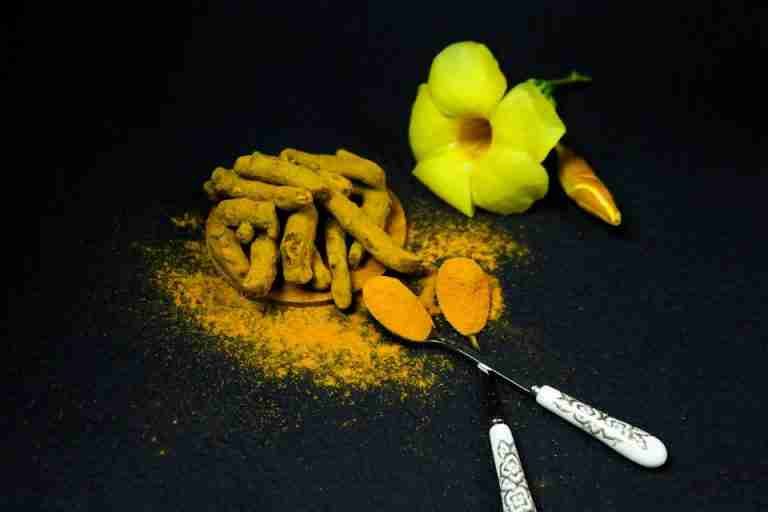
Another option is to choose supplements that use liposomal delivery systems or phospholipid complexes, which are designed to improve curcumin's absorption rate. These methods help curcumin bypass the digestive system more effectively, allowing for better uptake into the bloodstream. Always consult with a healthcare provider to determine the most suitable supplement for your needs and ensure it doesn't interact with any medications you may be taking.
Incorporating Turmeric into Your Daily Routine
Adding turmeric to your daily routine doesn't have to be complicated. Start by incorporating it into your diet. Turmeric can be used in a variety of dishes, from curries and soups to smoothies and teas. For those who enjoy cooking, a pinch of turmeric can be a flavorful addition to roasted vegetables or scrambled eggs.
For a more direct approach, consider making a turmeric paste by mixing turmeric powder with water and a dash of black pepper. This paste can be added to warm milk or herbal teas. If you prefer a ready-made option, Golden Milk, a popular turmeric-based drink, can be a convenient and delicious way to consume turmeric daily.
Creative Culinary Uses of Turmeric
Turmeric's versatility extends beyond traditional dishes. Experiment by adding it to baked goods like muffins or breads for a subtle, earthy flavor. You can even sprinkle turmeric on popcorn for a unique twist on a classic snack. Incorporating turmeric into your diet is not only beneficial for joint health but also adds a vibrant color and flavor to your meals.
Real-Life Success Stories: Turmeric's Impact on Joint Health
Many individuals have reported significant improvements in joint pain and mobility after incorporating turmeric into their regimen. For instance, a 2016 study in the Journal of Medicinal Food found that participants with knee osteoarthritis who took curcumin supplements experienced reduced pain and improved physical function over an eight-week period.

Consider the experience of someone who has struggled with arthritis for years. After integrating a high-quality turmeric supplement into their daily routine, they noticed a marked decrease in stiffness and an increase in overall flexibility. Though results can vary from person to person, these stories underscore the potential benefits of turmeric for joint relief.
Understanding Potential Side Effects and Interactions
While turmeric is generally safe for most people, it's essential to be aware of potential side effects and interactions. High doses of turmeric or curcumin supplements can cause gastrointestinal issues such as nausea or diarrhea. Those with gallbladder problems or diabetes should consult a healthcare professional before starting any new supplement regimen.
Additionally, turmeric can interact with certain medications, including blood thinners and diabetes medications. It's crucial to discuss with a healthcare provider before adding turmeric supplements to your routine, particularly if you're on medication.
Practical Tips for Maximizing Turmeric's Benefits
To reap the full benefits of turmeric, consistency is key. Regular consumption, combined with a healthy lifestyle, can be most effective in managing joint discomfort. Here are some practical tips:

-
Consistency is Crucial: Aim to incorporate turmeric into your diet daily, whether through food, supplements, or beverages like golden milk.
-
Balanced Diet: Pair turmeric with a balanced diet rich in anti-inflammatory foods such as leafy greens, nuts, and fatty fish to enhance its effects.
-
Stay Active: Regular, gentle exercise can help maintain joint function and complement the effects of turmeric in reducing inflammation.
-
Monitor Progress: Keep a journal to track your symptoms and any changes in joint pain or mobility. This can help identify what works best for you and provide useful information for discussions with healthcare providers.
-
Mindful Cooking: When cooking with turmeric, add a small amount of oil or fat, as curcumin is fat-soluble and is better absorbed in the presence of fat.
Taking Action: What You Can Do Today
Harnessing the healing power of turmeric for joint relief is an accessible and natural approach to managing discomfort. Whether you choose to start with a dietary change or a supplement, the key is to take action today. Consider creating a plan to integrate turmeric into your routine, and consult with a healthcare provider to tailor the approach to your specific needs.
Explore reputable resources and products like Turmeric Curcumin Plus and Golden Milk to ensure you're getting high-quality ingredients. By making small, consistent changes, you can potentially transform your joint health and improve your quality of life.