Herbal Teas That Might Just Outshine Your Morning Coffee
Picture this: it's a typical morning, and like many, you reach for that cup of coffee to kickstart the day. But what if there was a gentler, yet equally invigorating alternative that could also offer health benefits beyo
Picture this: it's a typical morning, and like many, you reach for that cup of coffee to kickstart the day. But what if there was a gentler, yet equally invigorating alternative that could also offer health benefits beyond the morning jolt? Enter herbal teas—a category of beverages that not only promises a refreshing start but also supports wellness in a multitude of ways. From boosting immunity to aiding digestion, herbal teas might just outshine your morning coffee.
Matcha: The Antioxidant Powerhouse
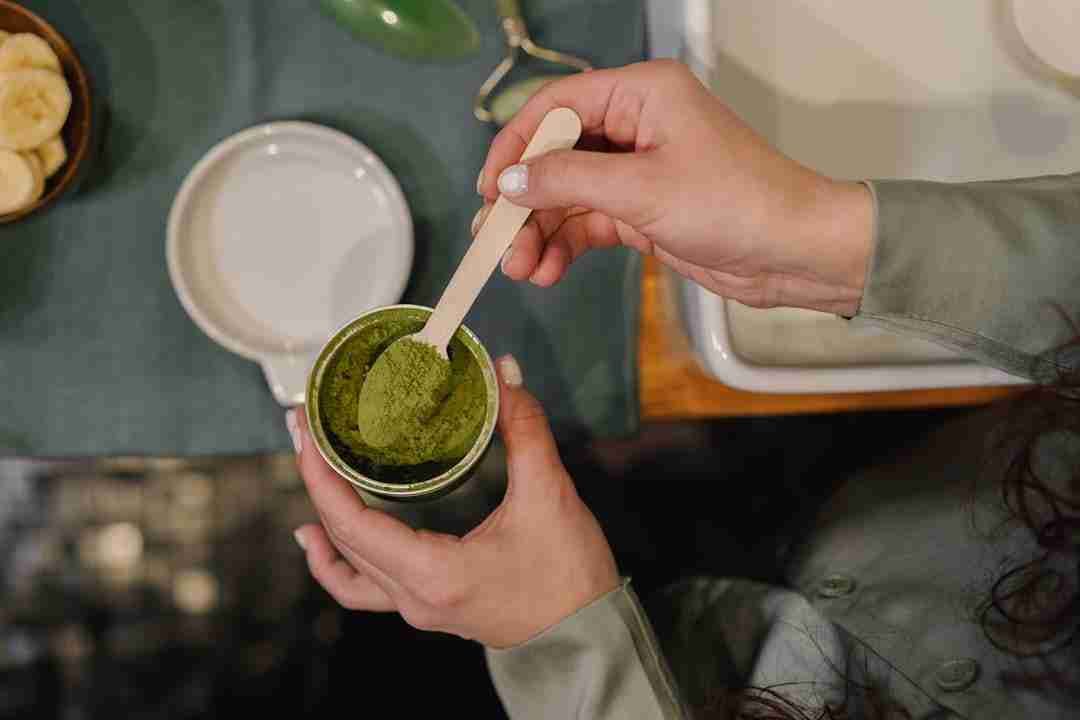
Matcha isn't just a trendy buzzword—it's a powerhouse of antioxidants. Unlike regular green tea, matcha involves consuming the whole tea leaf in powdered form, offering concentrated nutrition. Studies show matcha is packed with catechins, particularly EGCG (epigallocatechin gallate), which is known for its cancer-fighting properties and ability to promote heart health. For those conscious about their skin health, the antioxidants in matcha can also help combat the signs of aging by neutralizing free radicals.
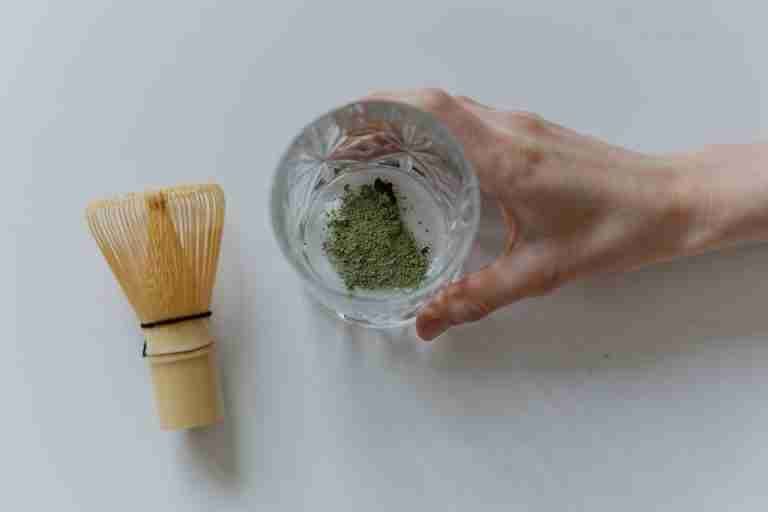
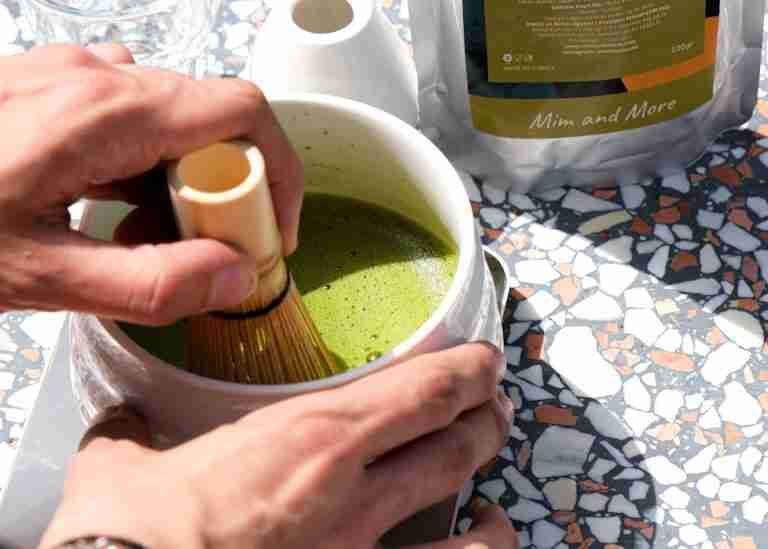
But more than just a health supplement, matcha provides a steady energy release. Many find that the combination of caffeine and L-theanine in matcha results in increased focus without the jittery side effects common with coffee. For those seeking an energy boost without the crash, matcha is a compelling alternative. Try incorporating a bowl of matcha into your morning routine, whisked with hot water, or added to a smoothie for a vibrant start to your day. You might also explore culinary uses, such as adding matcha powder to baked goods or oatmeal for an antioxidant-rich twist.
Peppermint Tea: A Soothing Digestive Aid
Peppermint tea is more than just a refreshing beverage—it's a natural remedy for digestive discomfort. Known for its ability to relax the gastrointestinal tract, peppermint tea can help alleviate symptoms of bloating, gas, and indigestion. It's particularly useful for those who find their morning coffee exacerbates digestive issues. If you're prone to irritable bowel syndrome (IBS), peppermint tea may offer gentle relief, as it can reduce the frequency and severity of abdominal pain.
Beyond digestion, peppermint tea is often used to relieve headaches and improve mental clarity. The menthol in peppermint acts as a muscle relaxant and can provide a cooling sensation, which is both soothing and invigorating. For an immediate remedy to digestive woes, steep a cup of peppermint tea after meals or whenever discomfort arises. Experimenting with iced peppermint tea can also be a refreshing option, especially during warmer months, providing the same digestive benefits in a cooler form.
Chamomile Tea: The Calming Nightcap
While chamomile tea is often associated with relaxation and bedtime, its benefits extend beyond a peaceful night's sleep. Chamomile contains apigenin, an antioxidant that binds to certain receptors in the brain, reducing anxiety and promoting calmness. This makes chamomile tea a wonderful choice for those looking to manage stress levels throughout the day. For those battling insomnia, a warm cup of chamomile before bed may naturally promote a more restful sleep by easing tension and calming the nervous system.
Moreover, research indicates that chamomile may have anti-inflammatory properties, potentially providing relief for those with chronic inflammatory conditions. A warm cup of chamomile tea can be the perfect way to unwind after a hectic day, allowing you to transition smoothly into a restful evening. Consider enhancing the flavor and benefits by adding a teaspoon of honey or a dash of cinnamon for a comforting twist.
Ginger Tea: The Immune Booster
Ginger tea is a staple in many households, revered for its potent anti-inflammatory and antioxidant effects. It's especially popular during cold and flu season, thanks to its ability to boost the immune system. The active compounds in ginger, such as gingerol, provide quick relief from nausea and can soothe sore throats—a common ailment during the colder months. For those struggling with respiratory issues, ginger tea's warming properties can help loosen mucus and relieve congestion.
For those who experience morning sickness or motion sickness, ginger tea offers a natural solution without the side effects of medication. To harness the full benefits, prepare fresh ginger tea by simmering slices of ginger root in water, adding honey and lemon for additional flavor and health benefits. You might also explore pairing ginger tea with turmeric for a powerful anti-inflammatory blend, enhancing the health benefits of both spices.
Rooibos Tea: The Caffeine-Free Alternative
Rooibos, or red bush tea, hails from South Africa and is gaining popularity as a caffeine-free alternative to black and green teas. It's rich in antioxidants like aspalathin and quercetin, which may protect against free radical damage and inflammation. For those concerned about iron absorption, rooibos is a great choice as it is naturally low in tannins, which can inhibit iron absorption—a common concern with other teas.
For those sensitive to caffeine or looking to cut back, rooibos tea offers a robust, earthy flavor similar to black tea without the stimulating effects. It can also support cardiovascular health by promoting good cholesterol levels and improving circulation. Enjoy a cup of rooibos tea in the evening to wind down without risking a sleepless night. Try experimenting with different flavors by adding vanilla or spices like cinnamon and cloves to create your own unique blend.
Turmeric Tea: The Anti-Inflammatory Elixir
Turmeric tea, often referred to as "golden milk," combines the powerful anti-inflammatory properties of turmeric with the soothing qualities of warm milk or a milk alternative. The active ingredient, curcumin, has been studied extensively for its potential to reduce inflammation in the body, making it a popular choice for those dealing with arthritis or other inflammatory conditions. Turmeric's role in supporting brain health is also noteworthy, as curcumin may help improve cognitive function and reduce the risk of neurodegenerative diseases.

To maximize absorption, turmeric tea is typically prepared with a pinch of black pepper, which contains piperine, a compound that enhances curcumin's bioavailability. This vibrant tea not only supports joint health but also aids in digestion and provides a comforting beverage option for chilly mornings. Consider adding spices like ginger or cardamom for a spicier version, or sweeten it with honey for a more mellow taste.
Hibiscus Tea: The Heart Health Hero
Hibiscus tea, with its bright red hue and tart flavor, is more than just visually appealing. It's renowned for its ability to support heart health by lowering blood pressure and cholesterol levels. Rich in antioxidants, hibiscus tea can also help combat oxidative stress, which contributes to chronic diseases. Studies have shown that regular consumption of hibiscus tea may lead to a reduction in systolic and diastolic blood pressure, offering a natural way to support cardiovascular health.
For those monitoring their heart health, hibiscus tea can be a delicious and beneficial addition to the daily routine. Serve it hot or cold, and consider adding a touch of honey or a slice of lime to balance its natural tartness. To enhance its benefits, try combining hibiscus with other heart-friendly ingredients like hawthorn berries or rose hips.
Practical Takeaway: Choosing the Right Herbal Tea
Selecting the right herbal tea depends on your personal health goals and flavor preferences. Whether you're seeking an energy boost, digestive relief, or a calming effect, there's an herbal tea that can match your needs. Keep a variety of teas on hand to address different aspects of health and wellness throughout the day. For those new to herbal teas, sampling different varieties can be a fun and educational experience, helping you discover your personal favorites.
To get started, consider investing in a quality tea infuser or teapot to make brewing loose-leaf teas easier. Loose-leaf options often offer superior flavor and potency compared to pre-packaged tea bags. For sourcing high-quality herbal teas, reputable brands and specialty tea shops can provide a diverse range of options. Engaging in this process not only enhances the tea-drinking experience but also ensures that you are consuming teas with maximum health benefits.
Conclusion: Enhancing Your Daily Routine
Herbal teas offer a versatile and healthful alternative to coffee, allowing you to tailor your beverage choice to your specific needs. Whether it's matcha for a focused morning, peppermint for digestive comfort, or chamomile for evening relaxation, there's no shortage of options to explore. Embrace the variety and potential health benefits of herbal teas and discover how they can enrich your daily routine. Start with small changes, like swapping your afternoon coffee for a cup of herbal tea, and notice the difference it makes in how you feel.
For those interested in exploring more about herbal teas and their benefits, resources like The Tea Spot and Republic of Tea offer extensive selections and detailed information on different blends and their health properties.
Ultimately, the choice of beverage is personal, but expanding the palate to include herbal teas could be a step toward a healthier, more balanced lifestyle. Enjoy the journey of discovering new flavors and the myriad of health benefits they bring.