Swapping Soda for Kombucha: A Refreshing Journey to Better Health
Swapping a can of soda for a glass of kombucha might seem like a small step, but it could lead to significant health benefits. Consider this: the average can of soda contains around 39 grams of sugar, whereas kombucha of
Swapping a can of soda for a glass of kombucha might seem like a small step, but it could lead to significant health benefits. Consider this: the average can of soda contains around 39 grams of sugar, whereas kombucha offers a naturally fizzy alternative with a fraction of that sugar content. As more people become health-conscious, the quest for better beverage choices is driving many to explore kombucha's unique flavor profile and potential health benefits. But what exactly makes kombucha a worthy soda replacement?
Kombucha: A Fermented Powerhouse
Kombucha is a fermented tea, crafted through a symbiotic culture of bacteria and yeast (often called a SCOBY). This fermentation process not only gives kombucha its characteristic tangy taste but also imbues it with probiotics, which are beneficial for gut health. Probiotics are live microorganisms that can help maintain or restore the natural balance of bacteria in the gut.
Research from the National Center for Complementary and Integrative Health suggests that these microorganisms may aid digestion, support immune function, and even help manage symptoms of irritable bowel syndrome. While further research is needed to fully understand all the health benefits, the presence of probiotics alone makes kombucha a compelling choice for those looking to support their digestive health.
Kombucha's impact on gut health can be particularly noticeable for those struggling with digestive issues like bloating or irregularity. Incorporating kombucha into your diet might provide a gentle, natural way to promote regular digestion and improve gut comfort over time.
The Sugar Factor: Kombucha vs. Soda
A typical 12-ounce can of soda contains about 39 grams of sugar, which can contribute to a host of health issues like obesity, type 2 diabetes, and heart disease. In contrast, commercial kombucha brands often contain less than 5 grams of sugar per serving. This significant reduction in sugar intake is one of the most compelling reasons to consider making the switch.

It's important to note that the sugar content in kombucha can vary depending on the brand and flavor. Some brands, such as GT's Kombucha, offer a range of flavors with sugar contents clearly labeled, allowing consumers to make informed choices based on their dietary needs. Always check the nutritional label to ensure you're selecting a kombucha that aligns with your health goals.
For those who enjoy the occasional sweet treat, kombucha can serve as a satisfying alternative to sugary desserts or snacks. Its natural sweetness and effervescence can help curb sugar cravings, making it easier to reduce overall sugar consumption throughout the day.
Exploring Flavor Profiles: From Ginger to Hibiscus
One of kombucha's most attractive features is its diverse array of flavors. Unlike the often overly sweet taste of sodas, kombucha offers a more complex palate, from ginger and lemon to hibiscus and berry blends. This variety not only keeps your taste buds engaged but also reduces the monotony of drinking the same beverage every day.
Exploring different flavors can be an enjoyable part of transitioning away from soda. Brands like Health-Ade Kombucha and Humm Kombucha offer extensive flavor lines that cater to a wide range of preferences. Trying a new flavor each week can turn this health-conscious decision into a delightful adventure in taste.
For those new to kombucha, starting with milder flavors like lemon or berry can ease the transition from soda. As your palate acclimates to the tangy taste, you might find yourself more open to exploring bolder options, such as ginger or cayenne-infused varieties.
Cost Considerations: Brewing Kombucha at Home
While kombucha can be more expensive than soda, with bottles typically priced between $3 to $5, brewing kombucha at home is a cost-effective alternative. The initial investment in a SCOBY and starter kit can be around $20 to $30, but once you have these, the ongoing costs are minimal. All you need is tea, sugar, and some patience.
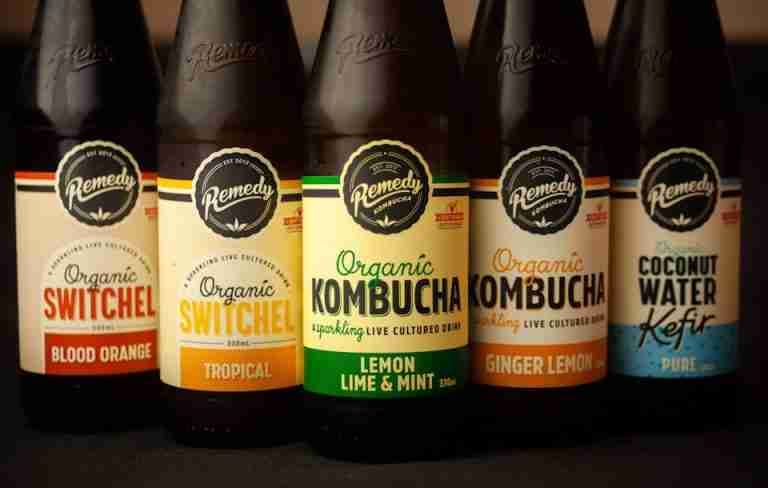
Homebrewing not only saves money but also allows for customization of flavors and sugar levels. There are plenty of resources available online, like the Kombucha Brewers International, which offers guides and tips for homebrewers. Whether you're a seasoned fermenter or a curious beginner, brewing kombucha at home can be a rewarding and economical endeavor.
For those concerned about waste, homebrewing also reduces the environmental impact associated with packaging and transporting store-bought beverages. This sustainable choice allows you to enjoy kombucha while contributing to a greener planet.
Potential Detox Benefits and Antioxidants
Kombucha is known for its potential detoxifying properties, thanks to the presence of antioxidants. These compounds help fight free radicals, unstable molecules that can damage cells and contribute to aging and diseases. While green tea is already rich in antioxidants, research shows that fermenting it into kombucha can enhance its antioxidant properties.
A study published in the Journal of Food Science found that kombucha made from green tea had higher antioxidant activity than unfermented tea. This means that swapping soda for kombucha not only reduces sugar intake but also boosts your antioxidant intake, helping to protect your body from oxidative stress.
Incorporating kombucha into your diet can be particularly beneficial for individuals exposed to environmental pollutants or those with lifestyles that increase oxidative stress, such as smoking or high-intensity exercise. The antioxidant boost provided by kombucha can support overall cellular health and longevity.
Caffeine Content: A Gentle Boost
Kombucha does contain caffeine, but typically in smaller amounts than soda or coffee. The fermentation process reduces the caffeine content found in the original tea, resulting in a gentle energy boost without the jitters often associated with other caffeinated beverages. This makes it an excellent option for those seeking a milder caffeine pick-me-up.

For individuals sensitive to caffeine, it's worth noting that the caffeine content can vary based on the type of tea used. Black tea-based kombuchas will generally have more caffeine than those made with green or white tea. Checking the labels or opting for brands like Brew Dr. Kombucha, which offer low-caffeine options, can help you find a brew that suits your preferences.
Kombucha can also serve as a pleasant afternoon refreshment, providing a natural, sustained energy boost without disrupting sleep patterns—a common issue with high-caffeine sodas or energy drinks.
Hydration and Electrolyte Balance
Staying hydrated is crucial for overall health, and kombucha can be part of a healthy hydration routine. While it shouldn't replace water, kombucha provides a flavorful alternative that can encourage you to drink more fluids throughout the day. Some varieties also contain electrolytes, which are essential for maintaining fluid balance and supporting nerve function.
Electrolytes like potassium and sodium are found in small quantities in kombucha. These can be particularly beneficial after a workout or during hot weather when the body loses electrolytes through sweat. Including kombucha as part of a balanced diet can contribute to maintaining electrolyte levels, supporting overall hydration.
For athletes or fitness enthusiasts, kombucha can be a tasty post-exercise beverage that aids in rehydration and recovery, making it a practical component of an active lifestyle.
Taking Action: Making the Swap Today
Switching from soda to kombucha doesn't have to be an overnight change. Begin by replacing one soda a day with a bottle of kombucha. Track how your body responds over a week or two. Notice any changes in energy levels, digestion, or overall well-being. If you're concerned about sugar or caffeine, start with low-sugar or decaffeinated varieties.
For those eager to dive deeper into the kombucha world, consider joining a kombucha club or community. Sharing experiences with others can provide additional motivation and tips for making the switch successful. Websites like Kombucha Kamp offer resources, recipes, and forums for those passionate about kombucha.
Ultimately, making the transition from soda to kombucha is about choosing a healthier lifestyle. It offers a way to reduce excess sugar and calories while introducing beneficial probiotics and antioxidants into your diet. With its wide range of flavors and potential health benefits, kombucha is more than just a soda alternative—it's a step towards better health and wellness. So why not give it a try? Today could be the start of a refreshing journey to better health.