Herbal Teas That Quiet a Busy Mind on Sleepless Nights
On a sleepless night, when the mind is racing and the quiet of the room seems deafening, the search for calm can feel urgent. Many find themselves reaching for herbal teas, a centuries-old remedy cherished for its soothi

On a sleepless night, when the mind is racing and the quiet of the room seems deafening, the search for calm can feel urgent. Many find themselves reaching for herbal teas, a centuries-old remedy cherished for its soothing properties. These teas not only offer warmth but also contain compounds that can help quiet a restless mind. Here's a closer look at some of these herbal teas and how they might provide the relief you're seeking.
Chamomile: The Classic Sleep Aid
Chamomile tea is perhaps the most well-known herbal tea for promoting relaxation and sleep. The secret lies in its apigenin content, a flavonoid that binds to certain brain receptors, promoting relaxation and potentially reducing insomnia symptoms. A study published in the Journal of Advanced Nursing found that postpartum women who drank chamomile tea for two weeks reported improved sleep quality and reduced symptoms of depression.
Brewing a cup of chamomile involves steeping a tablespoon of dried flowers in hot water for about 10 minutes. It's an easy ritual that can signal to your body that it's time to wind down. You might also consider Traditional Medicinals Chamomile Tea, a trusted brand that ensures organic and high-quality ingredients. For those interested in exploring beyond the typical tea bag, using loose chamomile flowers allows for a more robust infusion and can be adjusted for strength according to personal preference.
Valerian Root: An Ancient Solution
Valerian root has been used since ancient times to treat insomnia and anxiety. Research suggests its natural sedative effects might come from its ability to increase the levels of gamma-aminobutyric acid (GABA) in the brain, a neurotransmitter that calms brain activity.
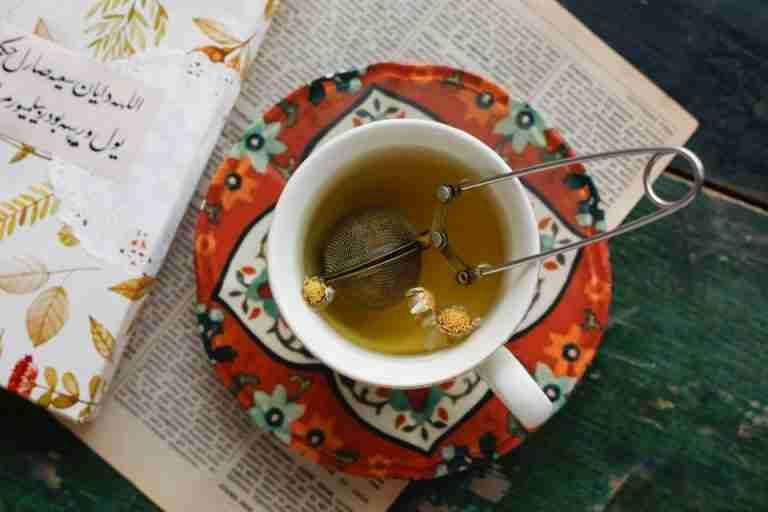
The taste of valerian is quite strong and earthy, often described as an acquired taste. It pairs well with other herbs like lemon balm or peppermint to improve its flavor. To prepare valerian root tea, steep 2-3 grams of dried root in hot water for about 10-15 minutes. A longer steeping time can increase the potency, but also the intensity of the flavor. Yogi Bedtime Tea combines valerian with other calming herbs, providing a pleasant blend to help ease into sleep. This combination is particularly helpful for those who might find pure valerian too overpowering.
Passionflower: More Than Just a Pretty Name
Passionflower is an herb that has been used historically to treat anxiety and sleep disorders. The herb is believed to increase GABA levels, reducing brain activity and supporting relaxation. A study in Phytotherapy Research highlighted that participants who consumed passionflower tea daily reported significant improvements in sleep quality compared to a placebo group.
To make passionflower tea, use about a teaspoon of the dried herb in a cup of boiling water, letting it steep for 10 minutes. Some find the taste slightly grassy, which can be softened by adding a bit of honey or lemon. Herb Pharm's Passionflower Extract offers a concentrated form that can be added to your tea for enhanced effects. Another option is to experiment with combining passionflower with other herbs like chamomile or lavender, creating a custom blend tailored to your taste and relaxation needs.
Lavender: Aromatic and Calming
Lavender is well-known for its calming scent, often used in aromatherapy to promote relaxation. But lavender can also be consumed as a tea, where it offers similar relaxing effects. The soothing properties of lavender come from its essential oils, which have been shown to reduce anxiety and improve sleep quality.
Making lavender tea is simple: use one tablespoon of dried lavender buds in a cup of hot water, steeping for about 10 minutes. The floral flavor is distinctive and can be enjoyed on its own or blended with other herbs like chamomile. A popular choice is Numi Organic Tea's Chamomile Lavender blend, which combines the best of both worlds. Experimenting with the steeping time can accentuate the floral notes or soften them, depending on the desired strength.
Lemon Balm: A Citrus-y Solution
Lemon balm is a member of the mint family and has a mild lemon scent. It's often used to treat anxiety and sleep disorders. Studies suggest that lemon balm may increase GABA availability in the brain, contributing to its calming effects.
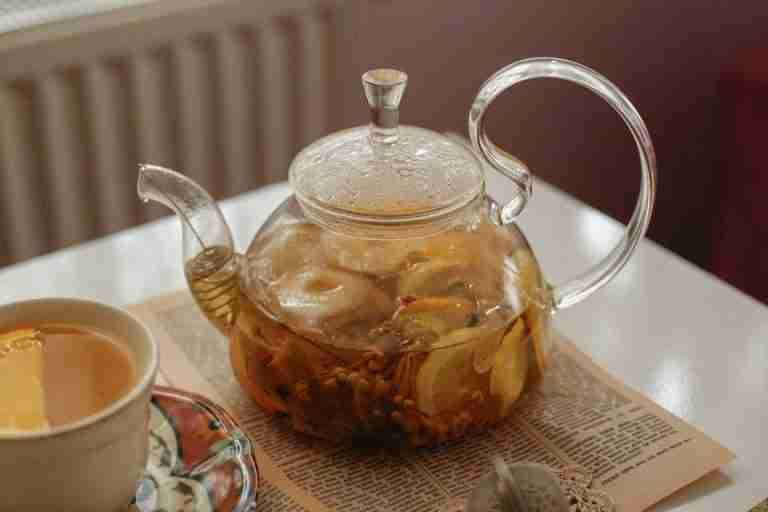
For lemon balm tea, add a tablespoon of dried leaves to boiling water and steep for 5-10 minutes. The result is a refreshing, citrus-flavored tea that can be a delightful way to end the day. For a convenient option, Traditional Medicinals Organic Lemon Balm Tea offers a soothing cup with a pleasant aroma. Lemon balm also pairs nicely with honey or a slice of lemon, enhancing its natural citrus notes and creating a more flavorful experience.
Peppermint: Not Just for Digestion
While peppermint is typically associated with digestive benefits, its muscle-relaxing properties can also contribute to a sense of calm. The menthol in peppermint acts as a natural muscle relaxant, which might aid in reducing tension and promoting sleep.
To brew peppermint tea, use one tablespoon of dried peppermint leaves in a cup of hot water, steeping for 5-10 minutes. Its refreshing taste makes it a favorite evening drink for many. Twinings Pure Peppermint Tea offers a pure and invigorating option that's caffeine-free. Peppermint can also be blended with other herbs like chamomile or lemon balm for a multi-layered flavor profile that enhances relaxation and aids digestion simultaneously.
Combining Herbal Teas for Enhanced Effects
Sometimes, the best approach involves combining several herbs to harness their collective benefits. Blends that include chamomile, valerian, and passionflower can be particularly potent for those struggling with sleep. Creating a custom blend allows you to tailor the tea to your specific taste preferences and needs.
To create a blend, start with equal parts of your chosen herbs, adjusting based on flavor and desired effects. For instance, a mix of 1 teaspoon each of chamomile, valerian, and lemon balm can be steeped in hot water for a calming evening tea. Some enthusiasts recommend experimenting with different ratios and adding a touch of honey or a slice of fresh lemon to enhance the taste and aroma.
Tea Ritual: An Essential Component
The act of preparing and sipping tea can become a meditative ritual that signals to your body that it's time to relax. Engaging in this process mindfully can enhance the calming effects of the tea itself. Consider setting aside 15-20 minutes each evening to prepare your tea, taking deep breaths and focusing on the warmth and aroma.

Creating a comfortable space for this ritual—perhaps with dim lighting or relaxing music—can further enhance the experience. It's about more than just the tea; it's about the environment and mindset you cultivate. You might also incorporate elements of mindfulness meditation, focusing on the present moment and the sensations of warmth and taste, allowing your mind to settle and your body to unwind.
Acknowledging Personal Preferences and Needs
Not all teas work the same for everyone, and it may take some experimentation to find what suits you best. It's important to consider any allergies or interactions with medications, as some herbs can affect certain conditions or treatments.
Consulting with a healthcare provider can provide guidance, especially if you are pregnant, nursing, or have ongoing health concerns. Many find that keeping a journal of their tea experiences, noting the effects on sleep and mood, can be helpful in refining their approach. Documenting different combinations and their effects can serve as a valuable reference for crafting the perfect blend tailored to your unique needs.
Taking Action Tonight
For those eager to try these herbal teas, the first step is simple: choose one that appeals to you and prepare a cup about an hour before bedtime. Focus on the ritual, enjoy the process, and pay attention to how your body responds. With time, you may discover a natural and effective way to quiet your mind and embrace restful sleep.
In the quest for a good night's sleep, herbal teas offer a gentle, natural aid. Whether it's the classic chamomile or the less conventional valerian, these teas can be a valuable part of your nighttime routine. As you explore these options, keep in mind that the journey to restful sleep is unique, and finding what works best for you is a personal and rewarding endeavor.