Rediscovering Stillness: The Surprising Power of Nature Walks for Mental Clarity
Imagine waking up one morning, feeling as though a fog has settled over your mind. You're not alone. Many people experience moments of mental clutter and distraction, often turning to screens or caffeine for relief. But

Imagine waking up one morning, feeling as though a fog has settled over your mind. You're not alone. Many people experience moments of mental clutter and distraction, often turning to screens or caffeine for relief. But there's another, perhaps surprising, solution: stepping outside for a nature walk. These simple walks offer more than just exercise; they can be a powerful tool for mental clarity and mindfulness.
Why Nature Walks Make a Difference
Nature walks are more than just a casual stroll. They offer a unique opportunity to disconnect from technology and reconnect with the natural world. Research shows that spending time in nature can reduce stress, improve mood, and enhance cognitive function. A study published in the journal Environmental Health and Preventive Medicine found that participants who walked in a forest for just 15 minutes experienced lower levels of cortisol, the stress hormone, compared to those who walked in an urban setting.
The benefits aren't just psychological. Physical health also gets a boost. Walking in nature can lower blood pressure and heart rate, contributing to overall well-being. And here's the kicker: the positive effects on mental clarity become more pronounced with regular nature walks, creating a lasting impact on your daily life. Engaging regularly in such walks can also foster a greater sense of connection to the environment, encouraging eco-friendly habits and sustainability awareness.
Getting Started Without the Overwhelm
Starting a routine of nature walks doesn't have to be complicated. The beauty of it lies in its simplicity. Begin by choosing a nearby park, trail, or natural area that you can easily access. Even urban parks can offer a much-needed escape from the concrete jungle. Aim for a 20-30 minute walk to start, gradually increasing the time as it becomes a more regular part of your routine.

It's essential to leave the distractions behind. Many find it helpful to turn off their phones or at least silence notifications. This small action ensures that the time is truly dedicated to being present in the moment. Consider using apps like Headspace to guide your mindfulness practice during these walks, especially if you're new to meditation or mindfulness.
For those with busy schedules, integrating a walk into your daily commute or lunch break can be effective. Imagine swapping a short car ride for a brisk walk to the office, or taking your lunch to a nearby park. These small changes can seamlessly blend nature walks into your routine without requiring extra time commitments.
Practicing Mindfulness on Your Walk
Mindfulness is about being present and fully engaged with the current moment. On a nature walk, this means paying attention to the sights, sounds, and smells around you. Notice the rustling leaves, the chirping birds, or the scent of flowers in bloom. This practice can significantly enhance the calming effect of the walk.
For many, it helps to focus on breathing. Try inhaling for four counts, holding for four, and exhaling for four. This rhythmic breathing can anchor you in the present and deepen the mindfulness experience. If your mind starts to wander, gently redirect your focus back to your surroundings or breathing. Remember, it's okay if your thoughts drift—what's important is the act of bringing your attention back.
To enrich the mindfulness experience, you might engage in a sensory exercise. Focus on identifying five things you can see, four things you can touch, three things you hear, two things you smell, and one thing you taste. This exercise heightens your awareness and grounds you in the present moment.
Common Challenges and How to Address Them
Nature walks, while beneficial, aren't without their challenges. Weather, time constraints, and accessibility can all play a role in how often one can venture outside. But these obstacles aren't insurmountable.
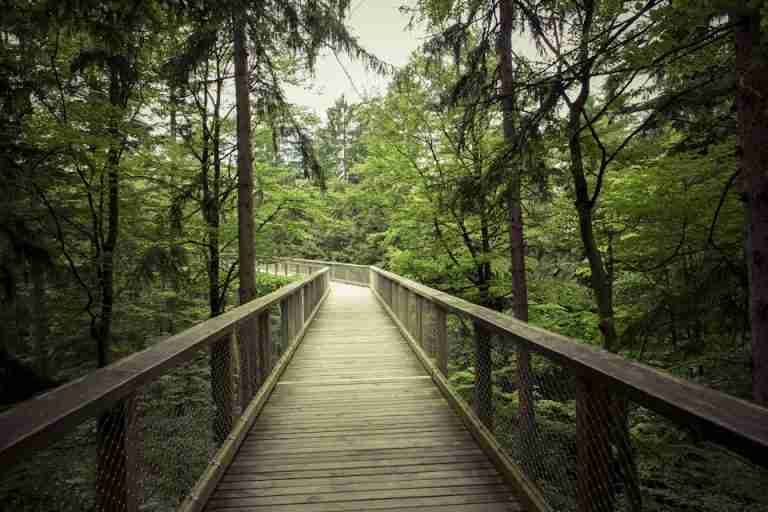
Weather, for instance, can be unpredictable. Investing in appropriate clothing, such as a waterproof jacket or sturdy boots, can make walking in less-than-ideal conditions more comfortable. Time constraints are another common issue. If a long walk seems daunting, consider breaking it into shorter sessions throughout the day. Even a 10-minute walk can offer benefits.
Access to nature can be a barrier for those in urban environments. However, many cities have hidden green spaces or community gardens that can serve as a substitute for more traditional nature settings. Websites like AllTrails can help you discover new trails or parks in your area, making it easier to find accessible options.
For those who face physical limitations, consider choosing paths with varying difficulty levels. Some trails are paved and flat, making them suitable for all ages and abilities. It's about finding what works best for you and adapting as necessary.
The Practical Reality of Making This a Habit
Incorporating nature walks into your routine requires a bit of planning and consistency. Experts suggest setting specific goals, such as walking three times a week, and tracking your progress. Apps like Strava can be useful for this purpose, allowing you to log your walks and see improvements over time.
Accountability can also play a significant role in establishing a habit. Consider inviting a friend or family member to join you. Not only does this provide motivation, but it also adds a social element to the experience, which can further enhance its benefits. Sharing these walks can also deepen relationships, providing a shared space for conversation and bonding.
Another strategy is to create a visual reminder of your commitment. This could be a calendar on your fridge where you mark each day you walk or a photo album on your phone capturing the beauty you encounter. These reminders can reinforce the habit and keep you motivated.
When This Approach Falls Short
Despite the numerous benefits, nature walks aren't a one-size-fits-all solution. Some may find that the clarity and mindfulness they seek aren't fully achieved through walking alone. In such cases, it may be beneficial to explore additional mindfulness practices or seek professional guidance.

Therapists and mental health professionals can offer tailored advice and strategies for those who need more support. Tools like BetterHelp provide access to licensed counselors who can work with you to develop a comprehensive approach to mental clarity and mindfulness.
For individuals dealing with chronic stress or mental health conditions, integrating nature walks with therapeutic practices like cognitive-behavioral therapy or mindfulness-based stress reduction can offer more profound benefits. It's about crafting a support system that caters to your unique needs.
What Research Actually Shows
The science behind nature walks and mindfulness is compelling. Studies consistently demonstrate that these practices can lead to significant improvements in mental health. For example, research published in Psychological Science found that participants who engaged in nature walks reported greater positive emotions and less anxiety compared to those who walked in urban settings.
Moreover, the benefits extend beyond mental well-being. A study in the Journal of Environmental Psychology revealed that regular nature walks could enhance creativity and problem-solving abilities, making them a valuable tool for personal and professional development.
In addition to these findings, research shows that nature exposure can improve attention span and reduce symptoms of attention-deficit/hyperactivity disorder (ADHD) in children. This suggests that the benefits of nature walks are far-reaching, impacting various aspects of cognitive and emotional health.
Making the Transition to a More Mindful Life
Transitioning to a more mindful life through nature walks is a journey, not a destination. It's about making small, consistent changes that build over time. Start by setting aside time each week for these walks, and gradually increase the frequency as it becomes a more integral part of your routine.
Incorporate other mindfulness practices, such as journaling or meditation, to complement the benefits of your walks. The goal is to create a holistic approach to mental clarity that fits your lifestyle.
As you progress, consider exploring different environments—beach walks, mountain trails, or even desert landscapes—to keep the experience fresh and stimulating. Each setting offers unique sensory experiences that can further deepen your mindfulness practice.
A Practical Takeaway for Today
Today, consider taking just 10 minutes to step outside and experience a brief walk in a natural setting. Focus on your surroundings, breathe deeply, and let yourself be present in the moment. This simple act can be the start of a transformative journey toward greater mental clarity and mindfulness.
In a world filled with constant distractions, nature walks offer a refuge and a chance to rediscover stillness. Embrace this practice, and you might just find that the path to a clearer mind is closer than you think.