Sneaky Signs Your Thyroid Might Need a Check-Up
Feeling unusually tired despite getting a full night's sleep? Or maybe you've noticed an unexplained weight gain that just won't budge despite your best efforts with diet and exercise. These could be more than just signs
Feeling unusually tired despite getting a full night's sleep? Or maybe you've noticed an unexplained weight gain that just won't budge despite your best efforts with diet and exercise. These could be more than just signs of a busy lifestyle or a slowing metabolism—they might be sneaky indicators that your thyroid requires some attention. The thyroid, a small butterfly-shaped gland located at the base of your neck, plays a crucial role in regulating your body's metabolism, energy production, and even mood. When it's not functioning correctly, it can throw your entire system out of balance in ways that are easy to overlook.
Unexplained Weight Changes: A Clue from the Scale
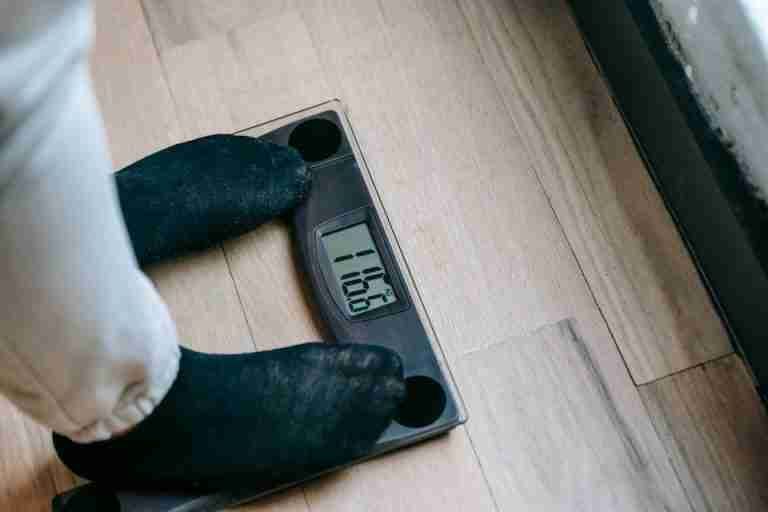
One of the most common signs of thyroid dysfunction is unexplained weight changes. If you're gaining weight without a significant change in your eating or exercise habits, your thyroid could be underactive, a condition known as hypothyroidism. Conversely, sudden weight loss might indicate an overactive thyroid, or hyperthyroidism.
Here's the thing: these weight shifts aren't just minor fluctuations. We're talking about significant changes that leave you baffled. For instance, a person might put on 10 to 15 pounds in a matter of a few months without altering their lifestyle. If this sounds familiar, it's a good idea to consult with a healthcare provider for a thorough evaluation. It's important to remember that these changes can affect self-esteem and mental health, adding another layer of urgency to address the issue. A balanced approach to diet and exercise, guided by a professional, can provide support while investigating thyroid health.
Fatigue That Just Won't Quit
Everyone feels tired from time to time, but chronic fatigue that persists despite adequate rest is another red flag for thyroid issues. When the thyroid is underactive, the body's metabolic processes slow down, leading to feelings of sluggishness and exhaustion. This isn't simply feeling sleepy; it's a bone-deep fatigue that can make even simple daily tasks feel like monumental challenges.
To tackle this, consider keeping a fatigue diary. Document how often you feel tired, what activities exacerbate your fatigue, and any other symptoms that accompany it. This can be an invaluable tool to share with your healthcare provider, giving them a clearer picture of what you're experiencing. Incorporating small, regular breaks into your day and prioritizing quality sleep with a consistent bedtime routine can also provide some relief in managing fatigue.
Brain Fog and Memory Issues
Struggling to remember simple things or feeling like you're in a mental haze? This cognitive dysfunction is often described as "brain fog," a symptom commonly associated with thyroid imbalances. Hypothyroidism, in particular, can lead to difficulty concentrating and memory lapses that are frustrating and distressing.
Research shows that these cognitive symptoms stem from reduced energy production in the brain due to a sluggish thyroid. If you're experiencing these issues, it may be beneficial to get your thyroid hormone levels checked. In the meantime, staying organized with tools like Notion or Google Keep can help manage forgetfulness and keep tasks on track. Consider engaging in activities that stimulate cognitive function, such as puzzles or learning new skills, to help maintain mental sharpness during this challenging time.
Mood Swings and Depression: More than Just a Phase
Mood disturbances, including anxiety and depression, can be linked to thyroid problems. An underactive thyroid can lead to feelings of depression due to the overall slowing of mental and physical processes. On the flip side, an overactive thyroid might cause anxiety or irritability.
Here's a tip: if you notice these mood changes alongside other physical symptoms, it's worth discussing them with a healthcare provider. Therapy and lifestyle changes can help, but addressing the underlying thyroid issue is critical for long-term relief. Practicing mindfulness and seeking support from friends or support groups can also provide additional emotional stability.
Dry Skin and Hair Loss: External Signs of an Internal Problem
Thyroid disorders can also manifest in changes to your skin and hair. Hypothyroidism often leads to dry, itchy skin and hair loss. This happens because slowed metabolism affects the skin's ability to regenerate and the hair growth cycle.

If you're seeing clumps of hair in the shower or dealing with persistently dry skin despite moisturizing, these could be signs that your thyroid is struggling. Dermatologists recommend using gentle, hydrating products and avoiding harsh chemicals that can exacerbate these issues. However, if the problem persists, it's wise to consult a healthcare provider for a thyroid check-up. Additionally, maintaining good hydration levels and incorporating omega-3 fatty acids into your diet can support skin and hair health.
Changes in Heart Rate
Your heart rate can offer clues about your thyroid health. An underactive thyroid can lead to a slower heart rate, while an overactive thyroid might cause a rapid heartbeat or palpitations. These changes shouldn't be ignored, especially if they're accompanied by other symptoms like chest pain or shortness of breath.
Monitoring your heart rate with a wearable device like a Fitbit can provide valuable data. If you notice irregularities, it's crucial to seek medical advice promptly. Learning relaxation techniques, such as deep breathing exercises, can help manage stress-related heart rate changes while seeking treatment.
Digestive Woes: Constipation or Diarrhea
The thyroid's influence extends to the digestive system as well. Hypothyroidism can slow down digestion, leading to constipation, while hyperthyroidism might cause frequent bowel movements or diarrhea.
If digestive issues are persistent and unexplained, consider tracking your symptoms and dietary habits. This information can help your healthcare provider determine whether a thyroid imbalance might be at play. Increasing fiber intake, staying hydrated, and engaging in regular physical activity can aid digestive health while exploring underlying causes.
Sensitivity to Temperature
Feeling cold all the time, even in warm weather, or constantly sweating in a cool environment? Temperature sensitivity is another potential indicator of thyroid dysfunction. An underactive thyroid might leave you feeling perpetually chilled, while an overactive thyroid could lead to excessive sweating and heat intolerance.

If temperature sensitivity is affecting your daily life, adjusting your environment can help in the short term. Dress in layers and keep a fan or portable heater handy. However, a medical evaluation is essential to address the root cause. Incorporating warming or cooling foods into your diet can also provide temporary relief, depending on your symptoms.
Changes in Menstrual Cycle or Fertility
For women, thyroid issues can also impact menstrual cycles and fertility. Hypothyroidism might cause heavier, more frequent periods, while hyperthyroidism can lead to lighter, less frequent menstruation. Both conditions can affect fertility and pregnancy outcomes.
If you're experiencing these changes, a visit to an endocrinologist or gynecologist can provide clarity. Treatments are available that can help regulate your menstrual cycle and improve fertility prospects. Keeping a detailed menstrual diary can assist in tracking changes and facilitating discussions with healthcare professionals.
Sleep Disturbances
Thyroid dysfunction can also lead to sleep disturbances. An overactive thyroid might cause insomnia or restlessness, while an underactive thyroid can result in excessive sleepiness. Both scenarios can severely impact your overall well-being.
To improve sleep quality, establish a relaxing bedtime routine, limit screen time before bed, and create a comfortable sleep environment. If sleep issues persist, it is advisable to seek medical advice to explore any underlying thyroid issues.
Taking Action: Steps You Can Take Today
If any of these symptoms resonate, it's time to take action. Start by booking an appointment with a healthcare provider to discuss your concerns. They can perform a simple blood test to check your thyroid hormone levels. In the meantime, consider adopting a balanced diet rich in selenium and iodine, nutrients that support thyroid health. Foods like Brazil nuts, seafood, and dairy can be beneficial.
Managing stress through techniques like yoga or meditation can support thyroid function. Apps like Calm offer guided meditations that can be integrated into a daily routine. Regular physical activity, even moderate exercise like walking, can enhance mood and support metabolic health, complementing any medical treatments you may receive.
Knowledge is power, and being informed about the potential signs of thyroid dysfunction can make all the difference. By paying attention to your body's signals and seeking timely medical advice, you can take charge of your health and ensure your thyroid is functioning optimally.