Soothe Sore Muscles with This Homemade Ginger Compress
After a long day of physical activity, those aching muscles can feel like they're screaming for relief. Whether it's from an intense workout or just the everyday hustle, sore muscles are a common issue many face. But the
After a long day of physical activity, those aching muscles can feel like they're screaming for relief. Whether it's from an intense workout or just the everyday hustle, sore muscles are a common issue many face. But there's good news. A simple, homemade ginger compress could be the soothing solution you've been seeking. Imagine harnessing the natural anti-inflammatory properties of ginger to ease that discomfort. No need for expensive spa treatments or over-the-counter remedies. Just a few ingredients from your kitchen and a bit of know-how.
Ginger: Nature's Anti-Inflammatory Powerhouse
Ginger isn't just a staple in cooking; its medicinal properties have been celebrated for centuries. The root contains compounds called gingerols and shogaols, which are known for their anti-inflammatory and analgesic effects. Studies suggest these compounds can help reduce muscle pain and improve recovery time. For example, a study published in the Journal of Pain found that daily ginger supplementation helped reduce exercise-induced muscle pain by about 25%. That's significant when you're looking for natural relief.
Incorporating ginger into a compress allows for targeted application. This means you can focus directly on the affected area, providing more immediate relief compared to ingesting ginger. By concentrating the ginger's active compounds directly onto sore muscles, you can potentially enhance their effectiveness, achieving faster and more noticeable results.
Crafting Your Homemade Ginger Compress
Creating a ginger compress is straightforward and requires minimal ingredients. Here’s a step-by-step guide to making your own at home:
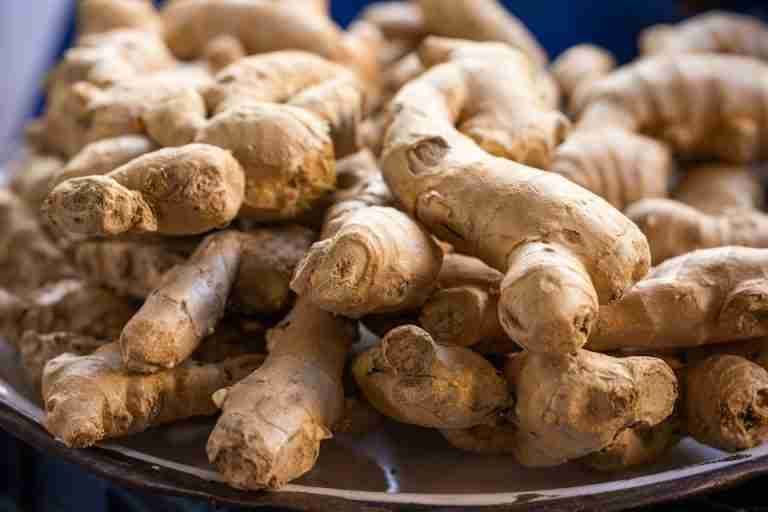
Ingredients:
- Fresh ginger root (about 2 inches)
- 4 cups of water
- Cotton cloth or cheesecloth
- A small pot
Steps:
- Prepare the Ginger: Peel and grate the ginger root. You should have about 2 tablespoons of grated ginger. Using fresh ginger is crucial as it contains more potent oils and active compounds compared to dried ginger.
- Heat the Water: In a small pot, bring the water to a boil. Once boiling, reduce the heat to a simmer. This gentle simmer helps maintain the integrity of ginger's beneficial compounds without breaking them down.
- Infuse the Ginger: Add the grated ginger to the water and let it simmer for about 5 minutes. This will help extract the beneficial compounds. The aromatic steam rising from the pot is a good indicator that the ginger's active ingredients are being released.
- Prepare the Compress: Place the cotton cloth or cheesecloth into the pot to soak up the ginger-infused water. Ensure the cloth is fully saturated to maximize the compress's effectiveness.
- Application: Carefully wring out the excess liquid and apply the warm compress directly to the sore muscles. Ensure the compress is warm but not too hot to avoid burns.
- Relax and Reapply: Leave the compress on for 15-20 minutes. You can repeat this process up to three times a day. Consider lying down or elevating the sore area while applying the compress to enhance relaxation and improve circulation.
This method not only provides relief but also promotes relaxation, which is essential for muscle recovery. Incorporating deep breathing or meditation during this time can further enhance the therapeutic effects of the compress.
Why Temperature Matters: Warm vs. Hot Compress
When dealing with muscle soreness, the temperature of the compress is crucial. A warm compress increases blood flow to the area, which can help reduce stiffness and promote healing. However, if the compress is too hot, it can cause burns and exacerbate inflammation.
Experts recommend testing the compress on a less sensitive area of your skin before applying it to the sore muscle. If it's too hot for comfort, let it cool for a few minutes. The goal is to provide soothing warmth, not discomfort. Using a thermometer to monitor the water temperature can help ensure safety, ideally keeping it between 104°F (40°C) and 113°F (45°C).
Alternative Ingredients for Enhanced Relief
While ginger is effective on its own, combining it with other natural ingredients can enhance its soothing properties. Consider these alternatives:
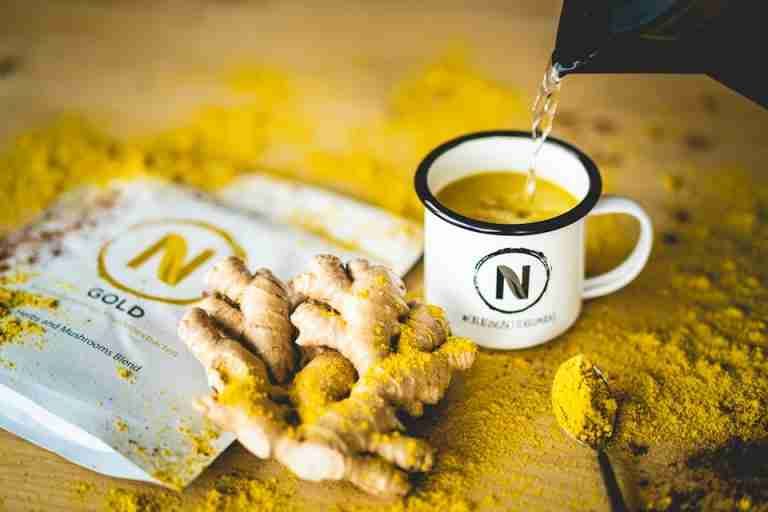
- Turmeric: Known for its anti-inflammatory benefits, turmeric can be grated and added to the ginger infusion. Curcumin, the active ingredient in turmeric, works well with ginger to reduce inflammation. The combination of these spices not only boosts anti-inflammatory effects but also creates a warm, earthy aroma that can add to the sensory experience.
- Lemon Juice: Adding a few drops of lemon juice can provide an uplifting scent that also aids in reducing swelling. The vitamin C in lemon can also contribute to skin health, potentially aiding in the recovery of the affected area.
- Epsom Salt: Dissolving Epsom salt in the compress solution can help relax muscles further, thanks to its high magnesium content. Magnesium is known to help with muscle recovery and can be particularly beneficial after intense physical exertion.
Each of these ingredients can be easily incorporated into the ginger compress recipe, allowing for a personalized approach to muscle relief.
The Science Behind Ginger's Efficacy
The effectiveness of ginger in soothing sore muscles is not just folklore. Scientific research supports its use for pain relief. A study conducted by the University of Georgia found that daily ginger consumption reduced muscle pain by 25% in participants who engaged in resistance training. This aligns with the historical use of ginger in traditional medicine for its anti-inflammatory properties.
Moreover, the localized application of a ginger compress allows for concentrated doses of gingerols and shogaols directly to the affected area, maximizing their muscle-soothing potential. The topical application bypasses the digestive system, potentially leading to quicker pain relief as the compounds penetrate directly into the tissues.
When to Use a Ginger Compress
Timing is everything when it comes to using a ginger compress. It is most effective when used shortly after physical activity, as this is when muscles are most susceptible to soreness. Applying the compress within the first 24 hours can significantly reduce the onset of stiffness and pain.
For chronic conditions, such as arthritis, regular use of a ginger compress can help manage long-term pain and improve joint flexibility. However, it's important to consult with a healthcare professional to ensure this method is appropriate for your specific condition. For those with conditions like fibromyalgia, integrating a ginger compress into a broader pain management strategy could offer additional relief.
Precautions and Considerations
While ginger compresses are generally safe, there are a few precautions to keep in mind:
- Skin Sensitivity: Some people may experience skin irritation from ginger. It's advisable to perform a patch test on a small area of skin before full application. If irritation occurs, discontinue use and consider consulting a dermatologist.
- Heat Sensitivity: Be cautious with the temperature of the compress to avoid burns. Always ensure the cloth is warm, not hot. If you have reduced heat sensitivity due to a medical condition, enlist the help of someone else to test the temperature for you.
- Medical Conditions: If you have a medical condition or are pregnant, consult with a healthcare provider before using a ginger compress to ensure it's safe for you. Particularly for those with circulatory issues or diabetes, professional guidance is recommended.
These considerations can help ensure that your experience with a ginger compress is both safe and effective.
Exploring Other Natural Remedies for Muscle Soreness
In addition to ginger compresses, a variety of other natural remedies can aid in muscle recovery. For instance, essential oils such as lavender or peppermint oil can be diluted with a carrier oil and massaged into the skin for additional relief. Lavender is known for its calming properties, which can help reduce tension, while peppermint oil provides a cooling sensation that can alleviate pain.
Additionally, incorporating regular stretching and hydration into your routine can greatly aid in muscle recovery. Staying hydrated ensures that your muscles receive the nutrients they need to repair, while gentle stretching can prevent stiffness and maintain flexibility.
Final Thoughts: Embrace Natural Relief Today
For those looking for a natural, cost-effective way to soothe sore muscles, a homemade ginger compress is a compelling option. Its ease of preparation and the powerful anti-inflammatory properties of ginger make it a practical solution for muscle soreness. With just a few ingredients and a bit of time, you can experience relief without the need for pharmaceuticals or expensive therapies.
If you're ready to harness the healing power of ginger, gather the ingredients, follow the steps, and enjoy the soothing warmth of your homemade compress. Your muscles will thank you.
For more information on the benefits of ginger and other natural remedies, consider visiting reputable resources such as Healthline or WebMD for further reading.