The Ancient Herbal Teas That Might Just Replace Your Medicine Cabinet
Imagine opening your medicine cabinet and finding only the soothing aroma of dried leaves and flowers, yet feeling confident in their ability to address common ailments. This isn't just a fantasy for herbal enthusiasts;

Imagine opening your medicine cabinet and finding only the soothing aroma of dried leaves and flowers, yet feeling confident in their ability to address common ailments. This isn't just a fantasy for herbal enthusiasts; it's a reality steeped in tradition and modern science. Herbal teas, with their ancient roots and natural allure, are emerging as viable alternatives to conventional over-the-counter medications. Whether it's calming chamomile to soothe frazzled nerves or potent ginger to combat nausea, these teas offer a spectrum of health benefits. The question is: can they really replace the contents of your medicine cabinet? Let’s explore how these ancient brews might just become your new go-to remedies.
Chamomile Tea: Nature’s Tranquilizer for Better Sleep
Chamomile tea has been a staple in bedtime routines for generations, and for good reason. This gentle herb is renowned for its calming effects. A study published in the Journal of Advanced Nursing found that participants who consumed chamomile tea reported improved sleep quality and reduced symptoms of depression. For those battling insomnia or stress-related sleep disturbances, chamomile could be a game-changer.
The process is simple. Steep a tablespoon of dried chamomile flowers in hot water for about 10 minutes. Drink it roughly 30 minutes before bed for optimal results. The gentle sedative properties of chamomile can help relax the nervous system, making it easier to drift off into a peaceful slumber. Some even find that adding a touch of honey or a sprinkle of cinnamon enhances both the flavor and the calming effects, creating a comforting ritual before sleep.
Ginger Tea: A Zesty Solution for Digestive Woes
Ginger tea is a powerhouse when it comes to digestive health. Known for its anti-inflammatory and antioxidant properties, ginger is particularly effective in reducing nausea and vomiting. Research from the National Institutes of Health highlights ginger's efficacy in alleviating nausea caused by motion sickness, surgery, and pregnancy.
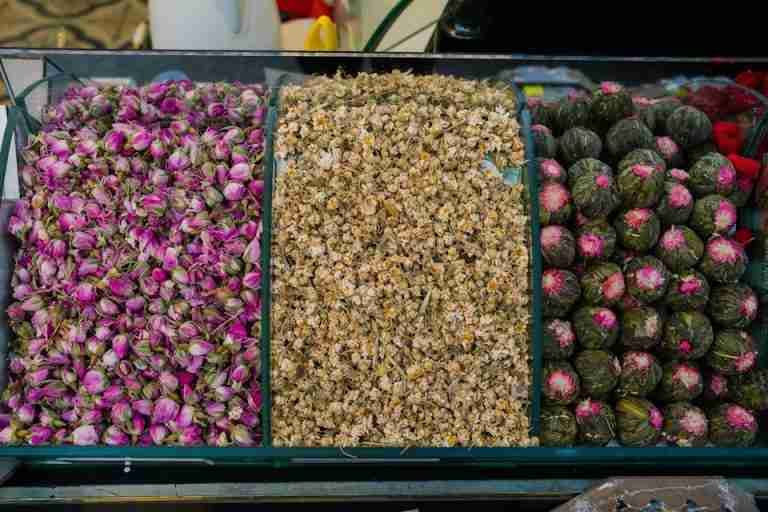
To harness the benefits of ginger, slice fresh ginger root and steep it in boiling water for 10-15 minutes. Adding a bit of honey or lemon can enhance the flavor and further boost its health benefits. Whether you're dealing with morning sickness or a queasy stomach from travel, ginger tea can provide quick relief. Some find that adding a pinch of turmeric or a few slices of fresh lemon provides additional anti-inflammatory benefits, creating a potent digestive tonic.
Peppermint Tea: The Refreshing Remedy for Headaches
Peppermint tea is not just a refreshing beverage; it’s also a potent remedy for headaches and migraines. Its active ingredient, menthol, has been shown to have muscle-relaxing and pain-relieving properties. A study in the International Journal of Neuroscience found that peppermint oil applied to the forehead could reduce headache symptoms. While the study focused on peppermint oil, the tea offers similar benefits.
Brewing peppermint tea involves steeping fresh or dried peppermint leaves in hot water for about 7-12 minutes. Drinking this tea not only provides relief from headaches but also aids in digestion and can freshen your breath. It's a multifaceted remedy you might want to keep within arm’s reach. For an invigorating twist, consider blending peppermint tea with a little bit of ginger or chamomile, tailoring it to your specific needs and preferences.
Echinacea Tea: Immunity Booster for Cold and Flu Season
As flu season looms, many reach for echinacea tea to bolster their immune defenses. Echinacea is praised for its ability to reduce the duration and severity of cold symptoms. A meta-analysis published in The Lancet Infectious Diseases supports its use, showing that echinacea can decrease the odds of developing a cold by 58% and shortens the duration of a cold by nearly a day and a half.
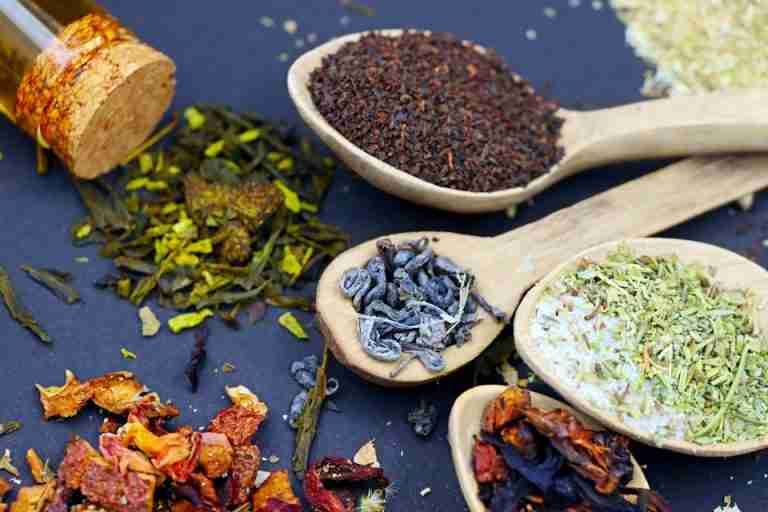
To prepare, steep a teaspoon of dried echinacea root or leaves in boiling water for about 10 minutes. Enjoying this tea regularly during cold and flu season might just keep those pesky symptoms at bay. Adding a slice of lemon or a spoonful of honey can enhance its immune-boosting effects, turning each cup into a soothing, health-supporting ritual.
Turmeric Tea: The Golden Elixir for Inflammation
Turmeric tea, often called "golden milk" when combined with milk and spices, is celebrated for its anti-inflammatory properties. Curcumin, the active ingredient in turmeric, has been extensively studied for its ability to combat inflammation and pain, particularly in conditions like arthritis.
To make turmeric tea, combine a teaspoon of ground turmeric with hot water, a dash of black pepper (to enhance curcumin absorption), and optional honey for sweetness. Drinking turmeric tea daily can help manage chronic pain and inflammation, potentially reducing reliance on pain medications. For a richer experience, consider adding a splash of coconut milk or a sprinkle of cinnamon, creating a delicious blend that supports overall health.
Hibiscus Tea: A Natural Way to Lower Blood Pressure
Hibiscus tea is not only a vibrant and tart beverage but also a natural remedy for high blood pressure. A study published in the Journal of Nutrition found that drinking hibiscus tea can significantly lower blood pressure in adults with mild hypertension.
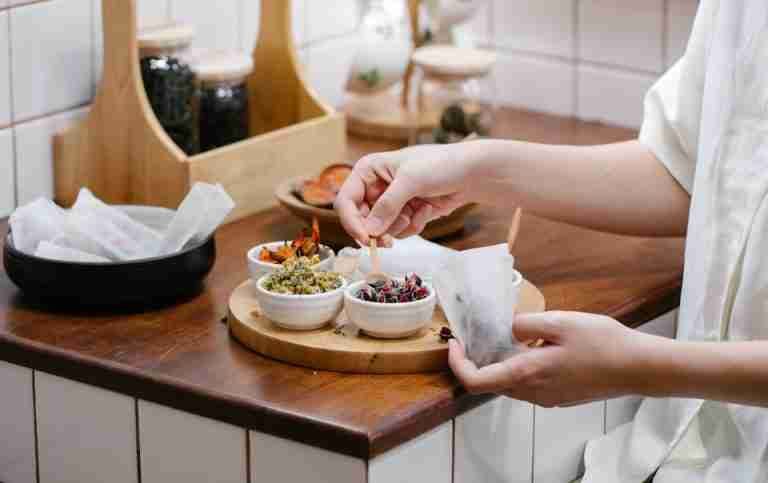
To prepare, steep dried hibiscus flowers in boiling water for 5-10 minutes. This tea can be enjoyed hot or cold and may be sweetened with a touch of honey or sugar if desired. Regular consumption could help manage blood pressure levels, making it a colorful addition to your herbal tea collection. Some enthusiasts also enjoy mixing hibiscus tea with rosehip or lemon balm for an added boost of antioxidants and flavor.
Rooibos Tea: Antioxidant-Rich Support for Heart Health
Rooibos tea, native to South Africa, is caffeine-free and rich in antioxidants, particularly aspalathin and nothofagin. These compounds are known for their role in heart health. Research published in the Journal of Ethnopharmacology indicates that rooibos tea can improve heart health by reducing cholesterol levels and oxidative stress.
Preparing rooibos tea is straightforward—steep the leaves in hot water for 5-7 minutes. Its naturally sweet flavor makes it a delightful beverage any time of day. Integrating rooibos tea into your daily routine could support cardiovascular health and enhance overall wellness. For a unique twist, try pairing it with a slice of orange or a dash of cinnamon, creating a flavorful tea that’s both comforting and heart-healthy.
Lavender Tea: Relaxation in a Cup
Lavender tea offers a fragrant and calming experience, perfect for those looking to unwind after a long day. Known for its stress-relieving properties, lavender tea can help alleviate anxiety and promote relaxation. Studies have shown that the aroma of lavender alone can have calming effects, and when consumed as a tea, it offers an even deeper sense of tranquility.
To prepare lavender tea, steep a teaspoon of dried lavender buds in hot water for about 10 minutes. The soothing scent combined with the gentle flavor can create a serene atmosphere, making it an ideal choice before bedtime or during a moment of stress. Consider blending it with chamomile for an enhanced calming effect, offering a delightful way to find peace and quiet in your day.
A Practical Takeaway for Your Herbal Tea Journey
The ancient wisdom of herbal teas offers a compelling case for their inclusion in modern health routines. While these teas can provide numerous benefits, it's essential to approach them with thoughtful consideration. Consulting with healthcare professionals, especially when dealing with chronic conditions or medications, is always advisable.
Start by incorporating one or two herbal teas that align with your health needs. Observe their effects and gradually expand your selection. Keep in mind that herbal teas work best as part of a balanced lifestyle that includes a healthy diet and regular exercise.
The allure of herbal teas lies in their ability to offer natural solutions that are both effective and enjoyable. Today, you can begin a journey towards a more holistic approach to health right from your kitchen. With a little knowledge and experimentation, your herbal tea collection could become a valuable ally in achieving and maintaining wellness.