The Surprising Benefits of Eating Leftovers for Breakfast
Imagine waking up, feeling the pangs of hunger, and knowing there's a delicious, already-prepared meal waiting in the fridge. No need to scramble eggs or toast bread. Just a quick reheat, and you're ready to savor yester
Imagine waking up, feeling the pangs of hunger, and knowing there's a delicious, already-prepared meal waiting in the fridge. No need to scramble eggs or toast bread. Just a quick reheat, and you're ready to savor yesterday's culinary triumphs. Eating leftovers for breakfast might sound unconventional, but it's a practice that can save time, reduce waste, and even surprise your taste buds with delightful flavors that have melded overnight. Here's why reaching for those leftovers could be one of the best decisions you make to start your day.
The 30% Food Waste Problem and How Leftovers Can Help
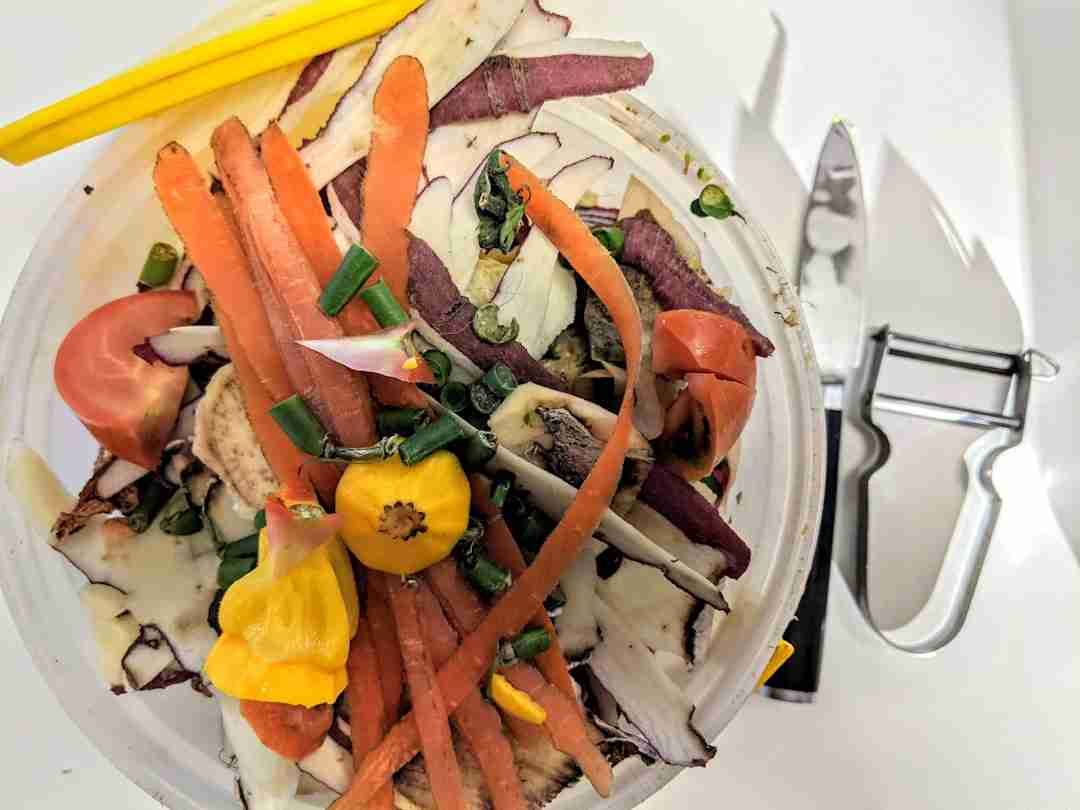
Food waste is a staggering issue, with approximately 30% of the global food supply going to waste each year. In the United States alone, the average family of four loses about $1,500 annually on food that ends up in the trash. Leftovers are often a significant part of this waste. By incorporating them into breakfast, not only can you contribute to reducing this environmental burden, but you also save money. Instead of letting that extra serving of lasagna go uneaten, why not enjoy it as a savory morning meal?
Think about the environmental impact when you consider the resources that go into producing food—water, energy, labor, and transportation—all of which are wasted when food is discarded. By embracing leftovers, you actively participate in a movement towards more sustainable living. You are not only saving money, but also playing a role in a global effort to reduce waste and preserve resources for future generations.
The Nutritional Edge: Why Leftovers Can Be Healthier
Many don't realize that leftovers can actually pack more nutritional value than freshly-cooked meals. This is especially true for certain dishes like soups, stews, and casseroles, where flavors and nutrients continue to meld and develop as they sit. A study from the Journal of Food Science found that certain antioxidant levels can increase after a day in the fridge. So, when you're reheating that vegetable curry, you might actually be getting more health benefits than you did the night before.

For instance, when you let a batch of homemade soup sit overnight, the flavors become more integrated, and the nutrients from the vegetables seep into the broth, enhancing both the taste and nutritional profile. This process of nutrient enhancement is not just limited to soups. Even grain-based dishes like brown rice or quinoa can benefit from sitting overnight, as the fiber content remains intact and the flavors deepen.
Breakfast in 5 Minutes: The Convenience Factor
Mornings can be chaotic. Between getting ready for work, preparing the kids for school, or rushing to early meetings, there's little time left for a nutritious breakfast. Here's where leftovers shine. They offer a quick, no-fuss option that's ready in minutes. Simply reheat in the microwave, and you're set. Imagine the time saved when you don't have to cook from scratch. That five-minute warm-up can be a game-changer, allowing you to focus on more pressing morning tasks.
Consider the simplicity of reheating a portion of last night's stir-fry or a slice of quiche. These meals provide a balanced start to your day without the stress of planning and preparing a fresh breakfast. For those who prefer a lighter morning meal, even a bowl of chilled pasta salad or leftover roasted vegetables can offer a refreshing and satisfying option. The key is to think outside the traditional breakfast box.
The Creative Culinary Experience: Transforming Leftovers
Eating leftovers doesn't mean sacrificing creativity. In fact, it can be an opportunity to experiment with new combinations and flavors. Turn that leftover roast chicken into a delightful breakfast burrito by adding scrambled eggs and cheese. Or, transform extra pasta into a breakfast frittata with some eggs and vegetables. This kind of culinary improvisation not only makes breakfast exciting but also helps develop cooking skills and a more intuitive understanding of flavors.

For those who enjoy a sweet start to the day, consider using leftover grains like quinoa or oats to create a breakfast bowl. Add a splash of almond milk, a drizzle of honey, and a handful of berries or nuts for a nourishing meal. The possibilities are endless, and with a little creativity, you can transform any leftover into a breakfast masterpiece. Encourage your family to get involved in the transformation process; it can be a fun and collaborative way to explore new tastes and preferences.
The Science of Flavor Enhancement: Why Some Dishes Taste Better the Next Day
There's a reason some dishes taste even better after a night in the fridge. The science behind this involves the process of retrogradation and flavor compound development. As leftovers cool, starches realign and trap flavor compounds, making them more pronounced the next day. This is why dishes like chili or beef stew often taste richer and more cohesive after sitting overnight. So, when you dig into that leftover curry in the morning, you're experiencing a peak of flavor that wasn't there when it was freshly cooked.
Understanding this process can enhance your appreciation of leftovers and inspire you to intentionally cook meals with the expectation of enjoying them over multiple days. Consider preparing meals in larger batches, anticipating the flavor benefits that will come the next morning. This not only makes meal planning more efficient but also adds an element of anticipation to your culinary routine, knowing that some dishes will offer an enhanced experience the following day.
Smart Storage Tips: Keeping Leftovers Fresh and Safe
To enjoy leftovers for breakfast safely, proper storage is essential. Always place leftovers in airtight containers and store them in the fridge within two hours of cooking. Most leftovers are safe to eat within three to four days, but always check for any signs of spoilage. When reheating, ensure food reaches an internal temperature of 165°F to kill any potential bacteria. Consider investing in quality storage containers, like Pyrex, which are both microwave and freezer safe, making meal prep even more efficient.
Labeling containers with dates can help keep track of freshness, reducing the risk of consuming potentially spoiled food. For those who like to plan ahead, consider portioning leftovers into single-serve containers for quick grab-and-go meals. This practice not only ensures safety but also adds convenience to your morning routine. With the right storage techniques, you can confidently enjoy a variety of dishes without worrying about food safety.
A Global Perspective: Breakfasts Around the World
In many cultures, eating leftovers for breakfast is the norm rather than the exception. In Japan, it's common to start the day with miso soup, rice, and leftover fish. In China, congee is often made with leftover rice. These practices are not only resourceful but also deeply rooted in tradition. By adopting a global perspective, you can expand your culinary horizons and appreciate the diverse ways people enjoy leftovers.
Exploring international breakfast traditions can also inspire you to incorporate new flavors and ingredients into your morning meals. Try making a Spanish tortilla with leftover potatoes, or create a Mediterranean-inspired breakfast wrap with leftover falafel and hummus. By embracing this global approach, you can add variety to your breakfast repertoire and gain a greater appreciation for the cultural significance of making the most of available food.
Getting Started: Simple Leftover Breakfast Ideas You Can Try Today
Ready to give leftovers for breakfast a try? Here are a few simple ideas:
- Pizza Omelette: Chop leftover pizza into small pieces and fold into an omelette.
- Rice Pudding: Use leftover rice to create a quick rice pudding by adding milk, cinnamon, and a sweetener of your choice.
- Chili Toast: Spread leftover chili on toasted bread, top with cheese, and broil until bubbly.
These ideas showcase just how versatile leftovers can be. With a little creativity, yesterday's dinner becomes today's delicious breakfast. Don't hesitate to experiment with different cuisines and flavor profiles, mixing and matching ingredients to suit your taste. The beauty of leftovers lies in their adaptability, allowing you to enjoy a wide array of satisfying and unexpected breakfast options.
Final Thoughts: Embrace the Leftover Lifestyle
Embracing leftovers for breakfast can be a small yet powerful change in your daily routine. It offers a practical solution to food waste, saves time, and opens up new culinary possibilities. So, next time you're planning meals, consider how today's dinner can become tomorrow's breakfast. It's a strategy that's as good for the planet as it is for your wallet and your taste buds. Start experimenting today and discover the surprising joys of leftovers for breakfast.