Why Taking Your Shoes Off at the Door Might Be a Game-Changer for Your Health
Imagine a world where a simple act like removing your shoes at the door could significantly impact your well-being. This isn't just a fanciful notion but a practice grounded in science and tradition. In many cultures, le
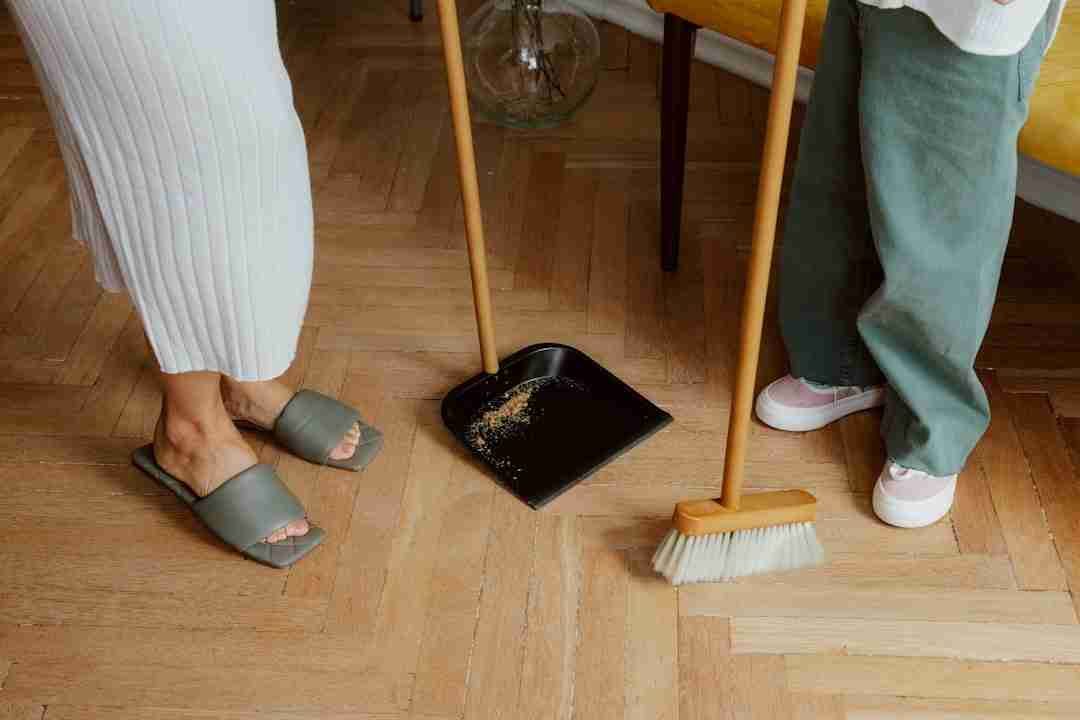
Imagine a world where a simple act like removing your shoes at the door could significantly impact your well-being. This isn't just a fanciful notion but a practice grounded in science and tradition. In many cultures, leaving shoes at the entrance is second nature, yet many overlook the profound benefits it can bring. From reducing exposure to harmful toxins to fostering a mindful environment, taking this small step might just be the game-changer your health routine needs.
The Unexpected Health Impact of Household Dust
Household dust is more than just a cleaning nuisance. It can be a cocktail of potentially harmful substances. Studies have shown that dust can contain lead, pesticides, and other toxic chemicals that shoes easily pick up outdoors. A study by the Environmental Protection Agency (EPA) found that 60% of the lead in homes comes from soil tracked inside. By removing shoes at the door, you dramatically reduce the amount of dust and contaminants you introduce into your home.
The practical takeaway? Encourage everyone in your household to adopt a no-shoes policy. Invest in a shoe rack or a designated area near the entrance to remind guests of this practice. This simple habit can significantly diminish your exposure to harmful substances and improve indoor air quality. You might also consider using air purifiers to complement this practice, as they help trap dust particles that still find their way inside.
Reducing Allergens and Improving Air Quality
Allergens like pollen, mold spores, and dust mites are notorious for hitching rides on shoes. Once inside, they settle into carpets and other soft furnishings, exacerbating allergies and respiratory issues. For those who suffer from seasonal allergies, this can be a year-round problem.
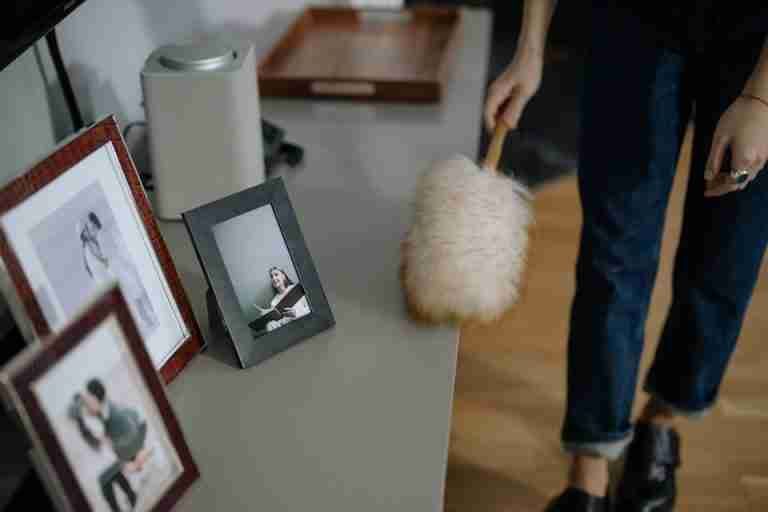
A study from the National Center for Healthy Housing found that homes with a no-shoe policy had significantly lower levels of allergens. By keeping shoes at the door, you can create a cleaner and healthier environment, especially in households with young children who spend a lot of time on the floor.
Here's the thing: implementing a shoe-free home isn't just about personal comfort—it can be a proactive health measure. Consider using doormats both outside and inside the entrance to further minimize the entry of allergens. Couple this with regular cleaning routines to maintain a healthier indoor environment. Vacuuming with a HEPA filter and using hypoallergenic cleaning products can further enhance the air quality in your home.
Mindful Living: Creating a Sacred Space
There's something inherently calming about a shoe-free home. It's a small ritual that signals the transition from the outside world to the sanctuary of one's home. This practice isn't just about physical cleanliness; it's about mental clarity.
Mindfulness experts often stress the importance of creating environments that promote calmness and clarity. A home free of outdoor shoes can be a step toward such an environment. By removing your shoes, you symbolically leave behind the day's stresses and enter a space designed for relaxation and rejuvenation.
The reality is, a mindful home is one where you can unwind and recharge. Consider incorporating other mindful elements, such as essential oil diffusers or calming music, to enhance this effect. This creates a holistic approach to wellness that starts the moment you step through your door. You might also explore feng shui principles, which emphasize the flow of energy and can be as simple as rearranging furniture to create a more harmonious space.
The Role of Bacteria: Keeping Germs at Bay
Shoes are a breeding ground for bacteria. A study by the University of Arizona found that the average shoe harbors over 420,000 units of bacteria, including E. coli and other harmful pathogens. These bacteria transfer easily to floors and carpets, increasing the risk of infections.
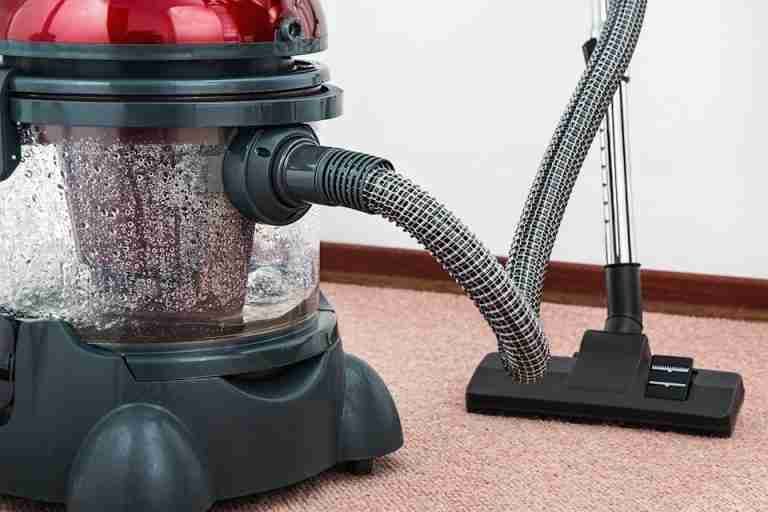
By making your home a shoe-free zone, you significantly reduce the spread of these germs. This is especially important for homes with crawling infants or pets that frequent the floor. Regularly cleaning shoes and using disinfectant wipes on soles can further reduce bacterial transfer.
Consider this: a few minutes spent cleaning shoe soles can prevent countless germs from entering your home. It's a small effort for a significant health payoff. For added protection, consider using antimicrobial sprays on high-touch surfaces within the home.
Cost Savings on Cleaning and Maintenance
Let's talk numbers. Carpets and flooring are not cheap to replace. Shoes can cause premature wear and tear on flooring surfaces, leading to costly repairs and replacements. By removing shoes, you extend the life of your floors and reduce the need for frequent cleaning.
A survey by HomeAdvisor suggests that professional carpet cleaning can cost between $121 and $234 per visit. Over time, these costs add up. By maintaining a no-shoes policy, you can significantly cut down on these expenses.
The practical takeaway? Invest in quality slippers or indoor shoes to preserve your flooring and save on cleaning costs. Not only will this keep your home looking pristine, but it will also give you peace of mind knowing you're protecting your investment. You might also consider investing in protective floor coverings or rugs in high-traffic areas to further extend the life of your flooring.
Cultural Wisdom: What Other Traditions Teach Us
In many cultures, removing shoes before entering a home is a long-standing tradition. For example, in Japan, it's customary to leave shoes at the entrance, emphasizing respect and cleanliness. This practice is rooted in the understanding that outdoor dirt should not contaminate the indoor environment.
Learning from these traditions, it's clear that this custom goes beyond mere etiquette. It's about maintaining balance and harmony within the home. By adopting this practice, you can benefit from the collective wisdom of cultures that have long recognized its importance.
Consider implementing cultural practices that resonate with you and your household. This could include using traditional floor mats or incorporating design elements that reflect the principles of Feng Shui, which also values a clean and harmonious space. You might also explore other cultural practices like the Scandinavian tradition of "hygge," which focuses on creating cozy and comfortable spaces.
How to Make the Transition Seamless
Changing household habits can be challenging. However, transitioning to a shoe-free home doesn't have to be complicated. Start by informing family and friends about the new rule. Place a friendly sign at the entrance and provide storage solutions like shoe racks or baskets to make it convenient for everyone.
Offering comfortable house slippers can also encourage compliance. Consider investing in a variety of sizes and styles to accommodate guests. A small investment here can lead to a more consistent practice and a healthier home environment.
Here's the key: consistency is crucial. Encourage everyone to participate, and soon it will become second nature. This simple change can lead to long-lasting benefits for both mind and body. You might also consider having a basket of clean socks available for guests who prefer not to go barefoot.
Taking Action Today: Start Your No-Shoes Policy
Now that you're aware of the benefits, it's time to take action. Start by assessing your current setup. Do you have an area designated for shoe storage? If not, consider creating one. Communicate the new policy to your household and make it a collective effort.
To help maintain the practice, consider using a smart home assistant to remind you of cleaning schedules or set up notifications for guests to remove their shoes. This way, you ensure the habit sticks and reaps the rewards of a cleaner, healthier home.
Ultimately, the decision to leave shoes at the door is a small yet impactful step toward better health and wellness. By reducing toxins, allergens, and bacteria, you create a sanctuary that supports both physical and mental well-being. Embrace this practice, and you'll likely find that it enhances not just your home, but your overall quality of life.