Why Walking Barefoot Can Reboot Your Mind and Body
Imagine standing barefoot on a patch of cool, dewy grass. The world feels quiet, and a gentle connection forms between you and the earth. It's not just a poetic experience—many find that this practice, known as grounding
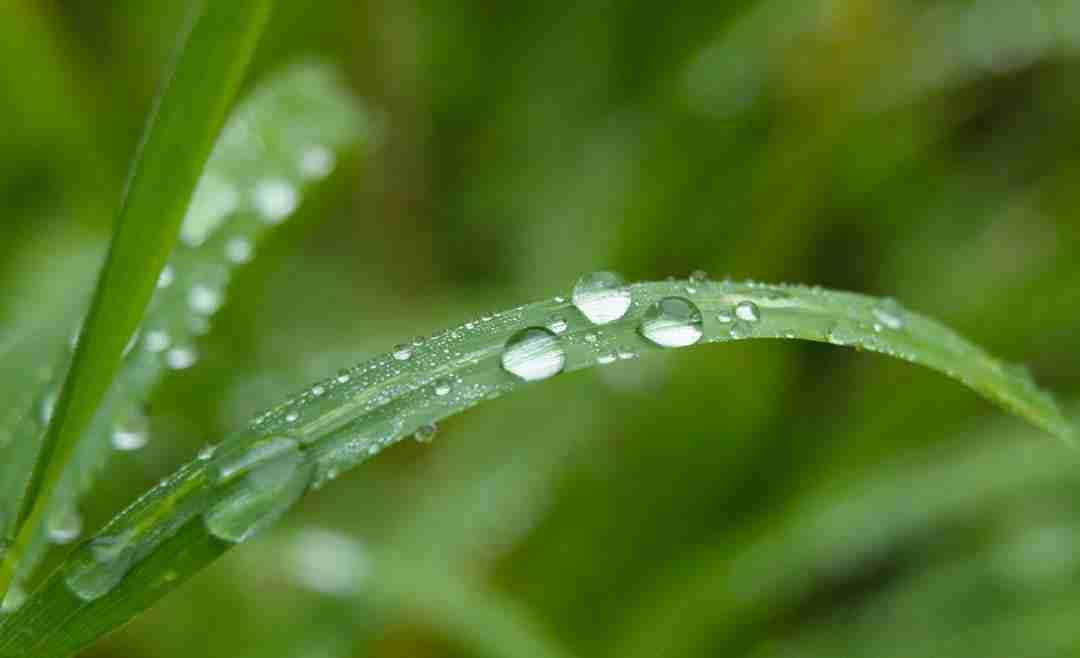
Imagine standing barefoot on a patch of cool, dewy grass. The world feels quiet, and a gentle connection forms between you and the earth. It's not just a poetic experience—many find that this practice, known as grounding or earthing, can profoundly impact mental and physical well-being. Grounding is more than just a tranquil moment outdoors; it's a natural way to recharge your body and mind.
Grounding: The Science Behind It
Research shows that grounding is rooted in the science of bioelectrical conductivity. The Earth carries a subtle negative charge, and when you walk barefoot, your body absorbs these electrons. This is not just a theoretical concept. Studies, like those published in the Journal of Environmental and Public Health, suggest that this transfer of electrons can neutralize free radicals, reducing inflammation and promoting better sleep.
The practice of grounding may sound unconventional, but it's backed by scientific inquiry. The human body is conductive, and by connecting with the Earth's electrons, you can potentially improve your health. This isn't just speculation; it's a practice supported by research, aiming to restore balance to one's bioelectrical system. For instance, a study conducted in 2012 found that grounding can improve blood viscosity, which is crucial for cardiovascular health. By thinning the blood, grounding may reduce the risk of heart disease and improve circulation—a significant benefit that underscores the potential of this practice.
The Stress-Reducing Power of Barefoot Walking
Stress is a common plague, affecting millions worldwide. Many people find that walking barefoot can significantly reduce stress levels. When your feet touch the Earth, cortisol levels—a key stress hormone—can decrease. A study conducted by the University of California, Irvine found that participants who practiced grounding reported lower stress levels compared to those who did not.

The simple act of walking barefoot can trigger a relaxation response. This isn't merely about physical relaxation; it's about creating a mental space where stressors lose their grip. By grounding, you're giving your body a chance to reset its natural rhythms, often leading to a calmer, more centered state of mind. Consider incorporating mindfulness or meditation as you walk, focusing on each step and the sensations underfoot. This can enhance the stress-reducing benefits, making it a powerful tool for managing daily pressures.
Improving Sleep with Grounding
If sleep eludes you, consider grounding as a natural remedy. According to a study published in the Journal of Alternative and Complementary Medicine, grounding can regulate circadian rhythms and improve sleep quality. Participants who grounded themselves while sleeping reported significantly better sleep than those who didn't.
The principle here is simple: by aligning your body with the Earth's natural energy, you can restore your body's internal clock. This alignment can help regulate melatonin production, the hormone responsible for sleep. The result? Falling asleep becomes easier, and the quality of sleep improves, leaving you refreshed and ready to tackle the day. To maximize these benefits, consider grounding before bedtime. A brief barefoot stroll or meditation on a grounding mat can prepare your body for rest, potentially reducing insomnia and night-time restlessness.
Boosting Immunity Through Natural Means
Boosting immunity doesn't always require supplements or medications. Grounding offers a natural way to enhance your body's defense mechanisms. Research from the Journal of Inflammation Research indicates that grounding can reduce inflammation, a key factor in many chronic illnesses.

By absorbing electrons from the Earth, your body may neutralize harmful free radicals, which are responsible for oxidative stress and inflammation. This reduction in inflammation can bolster your immune system, providing a natural shield against illness. It's a simple practice with profound implications for your overall health. Incorporating grounding into a holistic health routine—alongside a balanced diet and regular exercise—can further amplify its immune-boosting effects.
Techniques to Integrate Grounding Into Daily Life
Incorporating grounding into daily life can be straightforward and affordable. Here are some practical steps:
-
Morning Routine: Start your day by stepping outside barefoot for 10 minutes. This simple act can set a positive tone for the day. During this time, combine grounding with deep breathing exercises to enhance relaxation and focus.
-
Gardening: Engage in gardening without shoes. Not only will you connect with the Earth, but you'll also enjoy the therapeutic benefits of gardening. The combination of physical activity and grounding can elevate mood and reduce anxiety.
-
Beach Visits: Whenever possible, walk on sandy beaches. The combination of saltwater and sand enhances the grounding experience. If beaches are not accessible, parks or natural trails can offer similar benefits.
-
Outdoor Yoga: Practice yoga in a park or backyard without a mat. Focus on feeling the ground beneath you with each pose. This connection can deepen your yoga practice, promoting both physical and mental well-being.
These activities don't require significant changes to your routine but can provide a substantial boost to your well-being. For those in urban environments, consider taking lunch breaks in nearby parks or green spaces, using the opportunity to ground and recharge amidst a busy day.
Addressing Potential Concerns
While grounding is generally safe, it's essential to consider individual circumstances. Those with foot conditions or sensitivities should approach barefoot activities cautiously. Grounding can be adapted using conductive grounding mats or sheets, which can be used indoors. These products allow you to experience the benefits of grounding without direct contact with the Earth.

It's worth noting that grounding might not be the sole solution for all your health concerns. As with any wellness practice, it's best to discuss it with a healthcare professional, especially if you have underlying health conditions. When choosing grounding products, ensure they are made from quality materials and are certified for safety and effectiveness.
Practical Takeaways for Everyday Grounding
To make grounding a part of your daily life, consistency is key. Start by setting aside 10-20 minutes each day for barefoot activities. Whether it's a morning ritual or an evening wind-down, integrating this practice can have cumulative benefits. Consider keeping a journal to track changes in your mood, sleep, and overall health. This can provide motivation and insight into how grounding is impacting your life. As you observe these changes, you may find a deeper appreciation for the practice and a greater understanding of how it fits into your personal wellness journey.
Walking barefoot isn't just a nostalgic throwback to childhood; it's a scientifically supported practice with real benefits. By taking the time to connect with the Earth, you can reset both mind and body. Embrace this natural approach and discover the difference it can make.