A Cup of Calm: The Surprising Herbs That Soothe Frayed Nerves
Stress. It's become a constant companion for many, subtly weaving itself into the fabric of daily life. The endless to-do lists, the constant notifications from electronic devices, and the pressure to keep up with the fa
Stress. It's become a constant companion for many, subtly weaving itself into the fabric of daily life. The endless to-do lists, the constant notifications from electronic devices, and the pressure to keep up with the fast-paced world can leave nerves frazzled and minds exhausted. But what if relief could be found in a simple cup of tea? Surprisingly, several herbs have been used for centuries to help soothe frayed nerves and promote a sense of calm. These natural remedies offer a gentle, effective way to manage stress without the side effects of pharmaceuticals.
The Power of Chamomile: A Timeless Remedy
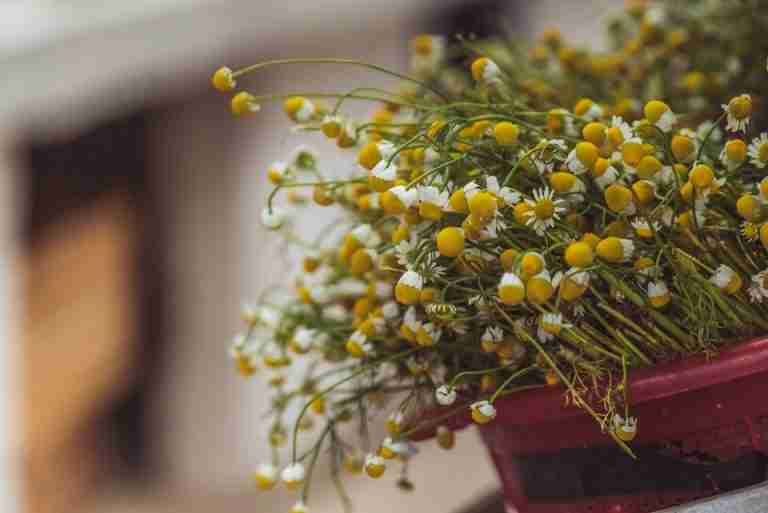
Chamomile is often the first herb that comes to mind when thinking of relaxation. Known for its apple-like aroma and soothing properties, chamomile has been used since ancient times to calm the mind and body. Research shows that chamomile contains apigenin, an antioxidant that binds to specific receptors in the brain, reducing anxiety and promoting sleep.
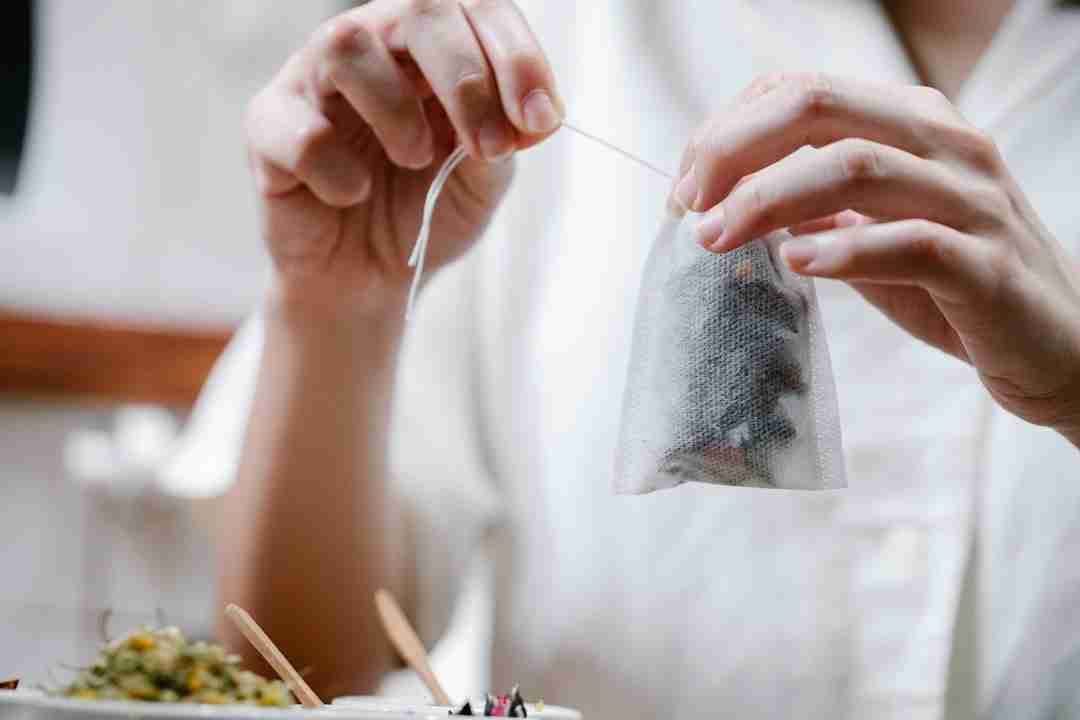
Preparing a cup of chamomile tea is simple and quick, making it an ideal solution for those moments of tension. Just steep dried chamomile flowers in hot water for about 5 minutes, strain, and enjoy. For those who prefer convenience, pre-packaged chamomile tea bags are widely available in grocery stores. A warm cup in the evening can help unwind from a hectic day, promoting restful sleep and a clear mind by morning.
Lavender: More Than Just a Pleasant Scent
Lavender isn't just a pretty flower with a delightful fragrance. It's also a powerful ally in the fight against stress. The calming effects of lavender are well-documented, with studies indicating that inhaling lavender oil can decrease heart rate and blood pressure, creating a sense of tranquility.
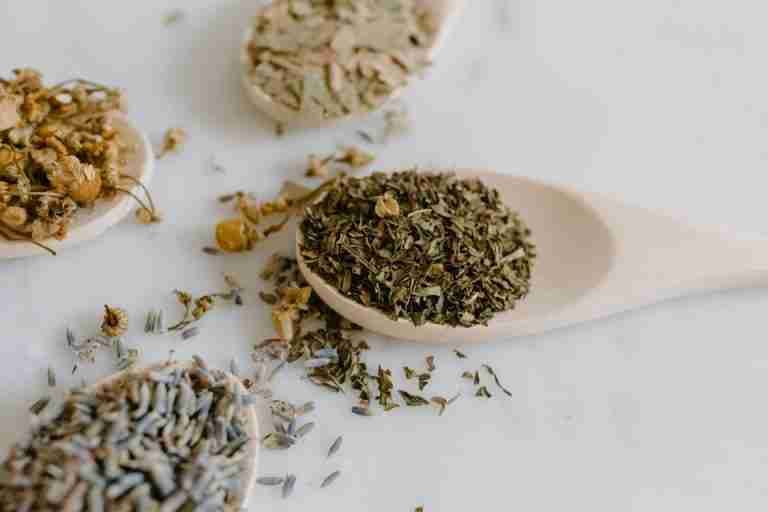
For a simple stress-relief ritual, consider using lavender essential oil. A few drops in a diffuser can transform a space into a peaceful retreat. Alternatively, adding a drop or two to a warm bath can enhance relaxation. Lavender tea is another option, offering a gentle, floral flavor that soothes the senses.
The Soothing Qualities of Lemon Balm
Lemon balm, a member of the mint family, has been used since the Middle Ages to reduce stress and anxiety. Its mild lemon scent and flavor make it a pleasant addition to teas and culinary dishes. Recent studies suggest that lemon balm can improve mood and cognitive function, making it an excellent choice for those looking to enhance both mental clarity and relaxation.
To harness the benefits of lemon balm, try adding fresh or dried leaves to a cup of hot water. Let it steep for about 10 minutes before straining. The resulting tea is refreshing and calming, ideal for sipping throughout the day. For a more potent effect, lemon balm supplements are available, though consulting with a healthcare provider is advised before starting any new supplement regimen.
Ashwagandha: An Adaptogen for Modern Stress
Ashwagandha is an adaptogen, a natural substance considered to help the body adapt to stress. Originating from Ayurveda, this herb is known for its ability to lower cortisol levels, the body's primary stress hormone. By balancing cortisol, ashwagandha helps reduce stress and anxiety, promoting a sense of well-being.
Incorporating ashwagandha into daily life can be as simple as taking a supplement. Many health food stores carry ashwagandha capsules, powders, or tinctures. For those interested in herbal teas, ashwagandha root can be steeped in hot water, though its earthy flavor might take some getting used to. Pairing it with a spoonful of honey can improve the taste and enhance its calming effects.
Passionflower: Nature's Tranquilizer
Passionflower is a lesser-known but highly effective herb for reducing anxiety and promoting relaxation. This beautiful flower has a rich history of use by Native Americans and was later adopted by European settlers for its calming properties. Passionflower works by increasing levels of gamma-aminobutyric acid (GABA) in the brain, which helps lower brain activity and produce a calming effect.
Passionflower is often consumed in tea form, providing a gentle and effective way to unwind. Boil water, add passionflower leaves, and let steep for about 10 minutes. The flavor is mild and slightly sweet, making it a delightful evening beverage. Passionflower supplements are also available for those who prefer capsules or tinctures.
Valerian Root: A Sleep Aid with a Calming Effect
Valerian root is famous for its use as a natural sleep aid, but it's also effective in reducing anxiety and stress. This herb has been used since ancient Greek and Roman times to treat insomnia and nervousness. Valerian root increases GABA levels, similarly to passionflower, resulting in a calming effect that can help manage stress.
Valerian root tea is an option, though its strong, earthy taste might not appeal to everyone. Combining it with chamomile or peppermint tea can improve the flavor while enhancing its calming effects. Valerian supplements are widely available for those who prefer a more palatable option.
Holy Basil: The Queen of Herbs
Holy basil, also known as tulsi, is revered in Ayurvedic medicine for its stress-relieving properties. This adaptogenic herb helps the body cope with stress by balancing cortisol levels and supporting overall mental well-being. Studies suggest that holy basil can improve mood and cognitive function, making it an excellent choice for those facing mental fatigue.
Holy basil tea is a popular way to enjoy its benefits. The leaves have a slightly spicy, clove-like flavor, making for a unique and invigorating tea. Steep the leaves in hot water for about 10 minutes, strain, and enjoy. Holy basil supplements are also available for those who prefer capsules or tinctures.
Creating a Personal Herb Garden for Stress Relief
Growing a personal herb garden can be a rewarding way to ensure a constant supply of stress-relieving herbs. Many of these plants are easy to grow, even in small spaces. Chamomile, lavender, lemon balm, and holy basil can thrive in pots on a windowsill or balcony.
Begin by selecting a few favorite herbs and researching their specific growing requirements. Chamomile and lavender prefer well-drained soil and plenty of sunlight, while lemon balm and holy basil can tolerate partial shade. Regularly harvesting the leaves and flowers encourages new growth and ensures a fresh supply for teas and remedies.
Combining Herbs for Enhanced Effects
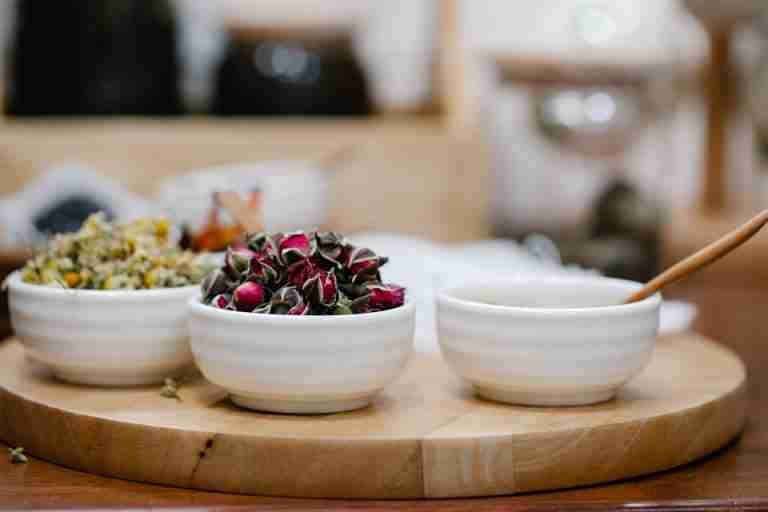
Combining different herbs can enhance their stress-relieving effects. For example, a tea blend of chamomile, lemon balm, and lavender can provide a powerful calming effect, perfect for winding down in the evening. Experimenting with different combinations can lead to a personalized blend that suits individual tastes and needs.
Consider creating a blend of dried herbs to have on hand for quick preparation. Store the mixture in an airtight container in a cool, dark place to preserve its potency. This can make it easy to prepare a soothing cup of tea whenever stress strikes.
When Herbs Alone Aren't Enough
While herbs offer a natural way to manage stress, they may not be sufficient for everyone. Chronic stress or anxiety disorders might require professional intervention, such as therapy or medication. It's essential to listen to one's body and seek help when needed.
Combining herbal remedies with other stress-reducing practices, such as meditation, yoga, or regular exercise, can provide a holistic approach to managing stress. These practices work synergistically with herbs, supporting overall mental and physical health.
Taking Action: Start Today
Incorporating stress-relieving herbs into daily life is an accessible and effective way to promote relaxation and well-being. With a variety of options available, from teas to supplements, finding a suitable method is within reach. Consider starting with one or two herbs and gradually exploring others to discover what works best.
Today is the perfect day to brew a cup of calming tea or diffuse some lavender oil. These small steps can make a significant difference, transforming stress into tranquility and creating a more balanced, peaceful life.