Five Herbal Teas to Soothe Sore Muscles After a Workout
After an intense workout, nothing is more satisfying than that post-exercise glow. But the aftermath of sore muscles can quickly dampen the euphoria. Muscle soreness is a common side effect of physical exertion, often le
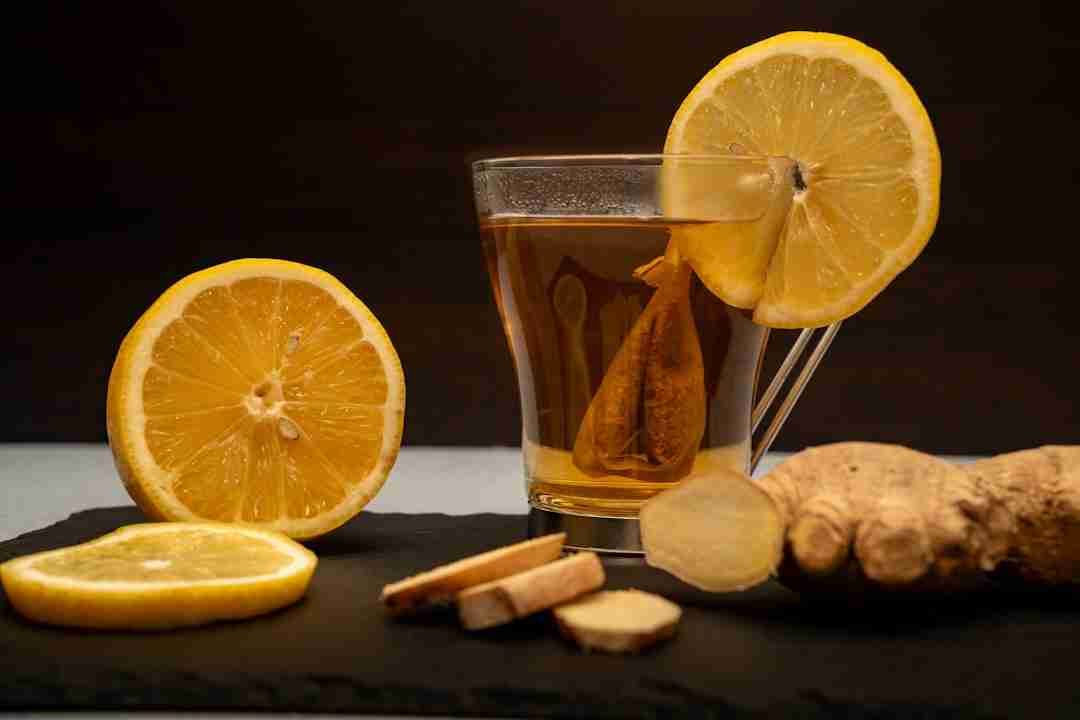
After an intense workout, nothing is more satisfying than that post-exercise glow. But the aftermath of sore muscles can quickly dampen the euphoria. Muscle soreness is a common side effect of physical exertion, often leaving one in search of relief. While plenty of over-the-counter options exist, there's a soothing, natural remedy that might be sitting right in your kitchen pantry: herbal teas. Not only are they delicious, but certain herbal teas can offer significant relief to those aching muscles.
Ginger Tea: A Natural Anti-Inflammatory Powerhouse
Ginger is renowned for its anti-inflammatory properties, making ginger tea an excellent choice for sore muscles. Research shows that ginger can reduce muscle pain and soreness post-exercise. The active compounds in ginger, such as gingerols and shogaols, have powerful anti-inflammatory and antioxidant effects.
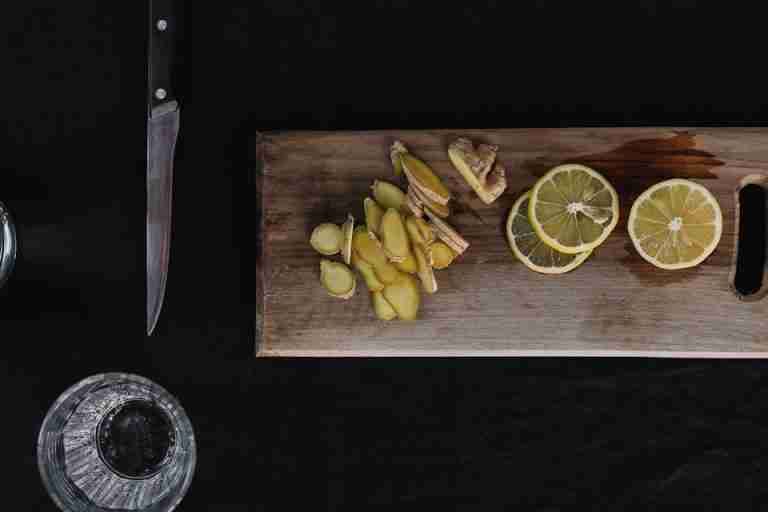
To prepare ginger tea, slice a fresh ginger root into thin pieces. Boil these slices in water for about 10 minutes. Then, strain the liquid and add honey or lemon to taste. Drink this soothing tea once or twice a day to help ease muscle soreness. For those who prefer convenience, ginger tea bags are widely available. Traditional Medicinals offers a well-regarded option.
Consider incorporating ginger tea into your morning routine. The invigorating aroma and spicy kick not only wake up your senses but also prepare your muscles for the day ahead. Some athletes find that drinking ginger tea before a workout can preemptively reduce muscle pain due to its anti-inflammatory effects.
Turmeric Tea: Leveraging Curcumin for Muscle Recovery
Turmeric isn't just a spice for curries; it's a powerful herb for muscle recovery. The secret weapon in turmeric is curcumin, a compound with strong anti-inflammatory and antioxidant properties. Studies indicate that curcumin can reduce exercise-induced muscle damage and soreness.

To make turmeric tea, combine a teaspoon of ground turmeric with water, a pinch of black pepper, and a bit of honey. The black pepper is crucial as it enhances the absorption of curcumin. Let the mixture simmer for about 10 minutes, then enjoy. For those seeking convenience, Gaia Herbs provides a ready-to-use turmeric tea blend.
Here's the thing: not everyone loves the taste of turmeric. If that's the case, consider mixing it with other herbs or adding a splash of milk for a creamier texture. Alternatively, adding a teaspoon of cinnamon or a dash of vanilla can enhance the flavor profile, making it more palatable.
Chamomile Tea: Relaxation and Muscle Relief in a Cup
Chamomile is well-known for its calming effects, but it also offers benefits for muscle soreness. Chamomile contains flavonoids that have anti-inflammatory properties, which can help soothe tired muscles. It's no wonder many athletes turn to chamomile tea as part of their post-workout routine.
To prepare chamomile tea, steep dried chamomile flowers in hot water for about 5 minutes. If fresh flowers aren't available, chamomile tea bags are a convenient alternative. Brands like Celestial Seasonings offer a variety of options.
A practical tip: consume chamomile tea before bedtime. Not only will it help with muscle recovery, but it can also improve sleep quality, aiding overall recovery. Adding a drop of lavender essential oil to your cup can enhance the calming effects, making it easier to unwind after a long day.
Peppermint Tea: Cooling Relief with Menthol
Peppermint tea is another excellent option for muscle pain relief. The menthol in peppermint provides a cooling sensation and has been shown to offer pain relief. Some studies suggest that peppermint can also enhance muscle relaxation.
To make peppermint tea, steep fresh peppermint leaves in boiling water for about 10 minutes. The result is a refreshing and invigorating tea that can be enjoyed hot or cold. For those who prefer pre-packaged options, Tazo offers a widely praised peppermint tea.
Consider this: peppermint tea is also great for digestion, so it's a win-win if post-workout meals tend to upset your stomach. Adding a slice of cucumber or a squeeze of lime can further enhance its cooling properties and make for a perfect summer refreshment.
Green Tea: Antioxidants for Muscle Recovery
Green tea is rich in antioxidants, particularly catechins, which can aid muscle recovery. The catechins help reduce muscle damage and inflammation, offering a natural way to ease soreness.
Brew a cup of green tea by steeping green tea leaves in hot water for about 3 minutes. Avoid using boiling water, as it can make the tea taste bitter. A popular option is Matcha Green Tea, which offers a concentrated dose of antioxidants.
A key takeaway: green tea contains caffeine, which can provide a mild energy boost. It's a perfect choice for those needing a pick-me-up after a tiring workout session. If you prefer a more robust flavor, consider pairing green tea with a slice of lemon or a sprig of mint for an added zest.
Combining Teas for Enhanced Benefits
Mixing different herbal teas can provide a more comprehensive approach to muscle recovery. For instance, combining ginger and turmeric can enhance anti-inflammatory effects, while chamomile and peppermint can offer both relaxation and cooling relief.
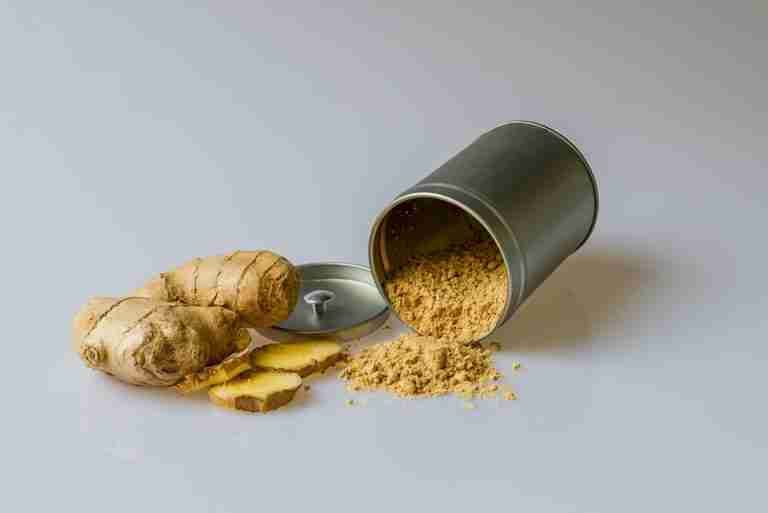
Experiment with ratios to find what works best for personal taste and effectiveness. Many find that preparing a large batch of mixed tea and storing it in the refrigerator provides a refreshing drink throughout the day. Adding a handful of ice cubes and a splash of citrus juice can transform this mixture into a delightful iced tea that maintains its soothing properties.
Practical Tips for Herbal Tea Preparation
Preparation is key to maximizing the benefits of herbal teas. Here are some practical tips:
- Use fresh ingredients whenever possible for the best flavor and potency.
- Store dried herbs in an airtight container away from sunlight to maintain their efficacy.
- Consider using a tea infuser for loose leaves to make straining easier.
- Adjust steeping times to achieve desired strength and flavor.
For those who prefer ready-made solutions, options like Yogi Tea offer various blends that combine multiple beneficial herbs. It's worthwhile to explore different brands and blends to find the one that suits your preferences and needs.
Herbal Teas and Holistic Recovery
Incorporating herbal teas into a holistic recovery plan can enhance overall well-being. Beyond muscle relief, many herbal teas offer additional health benefits such as improved digestion, enhanced mood, and better sleep quality. Developing a ritual around tea preparation and consumption can also serve as a meditative practice, helping to reduce stress and promote mental clarity.
Consider setting aside a specific time each day to enjoy your tea, perhaps accompanied by a few minutes of deep breathing or light stretching. This routine not only aids physical recovery but also nurtures mental and emotional balance, contributing to a healthier, more balanced lifestyle.