From Seed to Sizzle: Cooking with Ingredients You Grew Yourself
Imagine stepping outside your back door and plucking a ripe tomato still warm from the sun, or snipping fresh basil leaves to add to tonight’s dinner. The joy of cooking with ingredients you've nurtured from seed is unbe
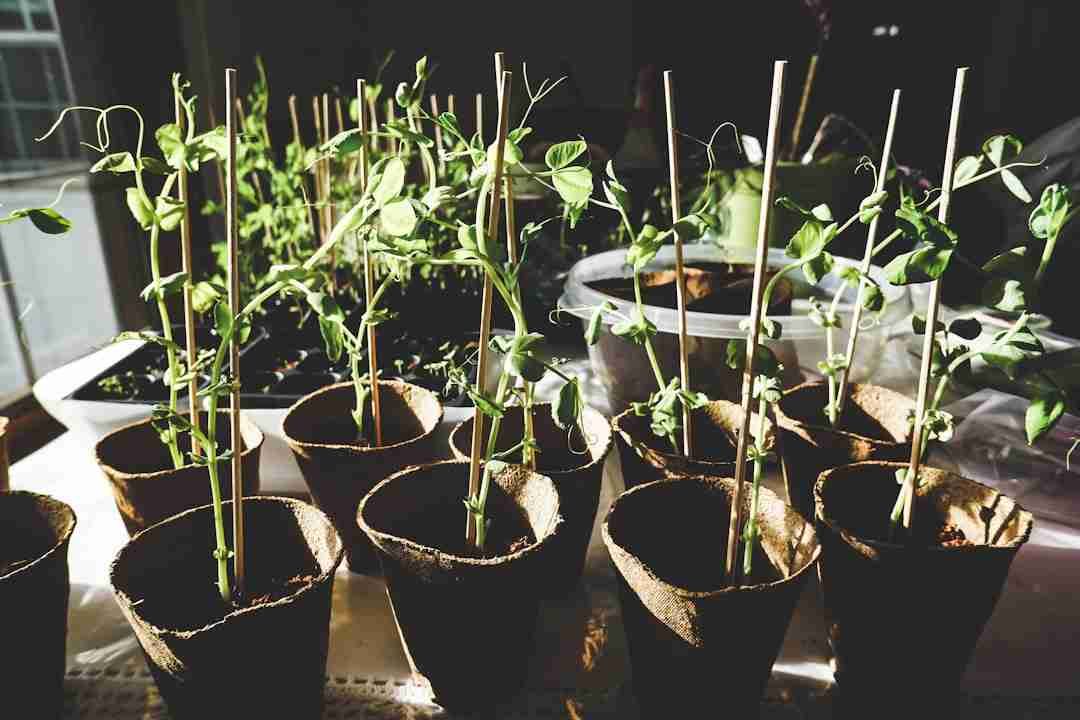
Imagine stepping outside your back door and plucking a ripe tomato still warm from the sun, or snipping fresh basil leaves to add to tonight’s dinner. The joy of cooking with ingredients you've nurtured from seed is unbeatable. It's not just about the taste—though that's a huge part of it—but the entire process of growing and then cooking your own food creates a deeper connection to what’s on your plate. This kind of self-sufficiency is more attainable than you might think, regardless of whether you have sprawling acres or just a small balcony.
Planning Your Homegrown Menu: Start with Easy-to-Grow Ingredients
For those just beginning to explore homegrown cooking, starting with vegetables and herbs that are easy to cultivate can set the stage for success. Lettuce, radishes, and herbs like mint and basil are often recommended for beginners. These plants tend to have short growing seasons and require minimal maintenance. Lettuce can be harvested in as little as 30 days from planting, offering a quick reward for your efforts.
Consider this: a packet of lettuce seeds costs around $2 and can yield several harvests. Compare that to the $3-4 per bag of organic lettuce at the store, and the savings add up quickly. Plus, fresh-picked greens have a flavor that’s hard to match. For those with more space, consider adding a zucchini plant or two. Zucchinis are notorious for their prolific yields, often challenging gardeners to find creative ways to use them.
Timing is Everything: When to Plant for Optimal Growth
The timing of planting is critical to ensure your garden flourishes. Experts suggest paying close attention to the local last frost date, which dictates when it's safe to start planting outside. For example, tomatoes and peppers are warm-weather crops that should be planted a few weeks after the last frost, while spinach and peas thrive in cooler spring temperatures.
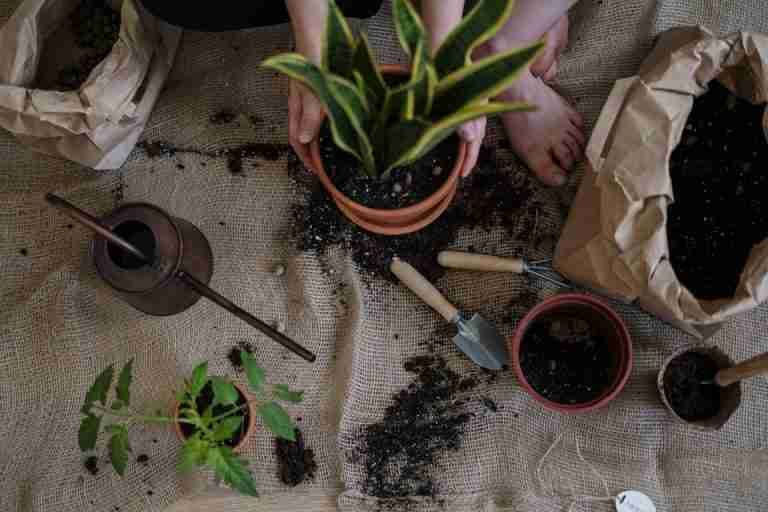
If you're unsure about your local frost dates, resources like the Farmer’s Almanac provide detailed planting calendars based on your zip code. This can help you plan when to start seeds indoors and when to transplant them outside. Additionally, consider staggering your plantings to extend the harvest period. Planting lettuce seeds every two weeks, for instance, can ensure a continuous supply of fresh greens throughout the growing season.
Creating a Thriving Environment: Soil and Sunlight Essentials
The health of your plants largely depends on the quality of your soil and the amount of sunlight they receive. Many find that a soil test is a good starting point, revealing nutrient deficiencies and pH levels. Test kits are available at garden centers or online for about $10-20. Based on the results, you might need to amend your soil with organic matter or specific nutrients to optimize growing conditions.
Sunlight is equally critical. Most vegetables require at least 6-8 hours of full sun daily. But not every space has perfect lighting, and that's okay. Leafy greens like lettuce and spinach can tolerate partial shade, making them ideal for those with less sunny yards or patios. If sunlight is a challenge, consider using reflective surfaces or white walls to maximize available light.
Water Wisely: Efficient Irrigation Techniques
Watering can make or break a garden. Too much and you risk root rot; too little and plants may wilt. A drip irrigation system can be a game-changer, offering consistent moisture without overwatering. These systems are affordable, with basic setups starting around $25. Setting up a rainwater collection system could also be beneficial, reducing water costs and providing a sustainable water source for your garden.
When hand-watering, professionals note the importance of watering at the base of the plant early in the morning. This reduces evaporation and allows plants to absorb the water before the heat of the day. And remember, different plants have different water needs—tomatoes, for instance, thrive with consistent moisture, while herbs like rosemary prefer drier conditions.
Pest and Problem Management: Natural Solutions for Common Issues
Gardening isn't without its challenges, particularly when it comes to pests. Instead of reaching for chemical solutions, many gardeners opt for natural remedies. Companion planting—planting certain plants together—can deter pests. Marigolds, for instance, are known to repel nematodes and can be planted alongside tomatoes.
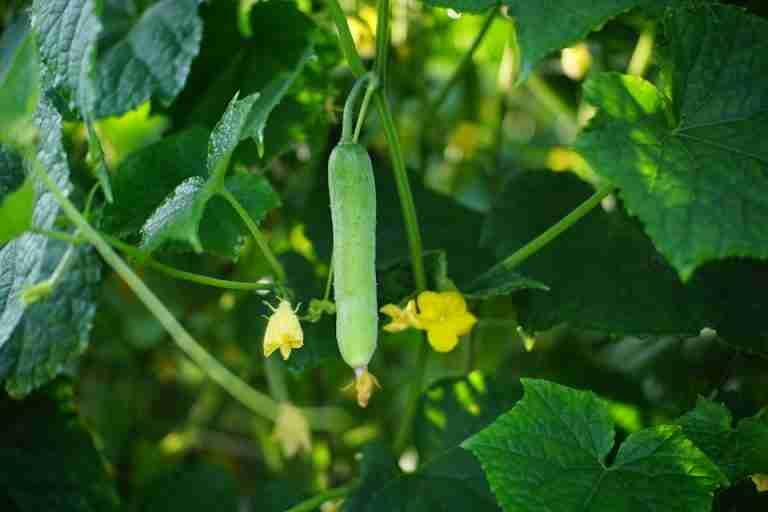
For those dealing with aphids, a simple spray of water mixed with a few drops of dish soap can effectively control the population. And for slugs, a small container of beer buried at soil level can attract and drown these pests. Consider introducing beneficial insects like ladybugs or lacewings to your garden, as they can naturally control aphid populations and other pests.
Harvesting at Peak Flavor: Knowing When Your Crops Are Ready
Timing your harvest is as crucial as timing your planting. Picking vegetables at their peak ensures the best flavor and nutritional value. Tomatoes should be fully colored and slightly soft to the touch. Herbs, on the other hand, are best harvested in the morning after the dew has dried but before the sun gets too hot.
Experts suggest using a clean, sharp knife or scissors to harvest, which can prevent damage to the plant and encourage further growth. Continuous harvesting, especially for plants like basil and lettuce, encourages the plant to produce more. It's also advisable to familiarize yourself with the specific signs of ripeness for each type of produce to ensure optimal taste and texture.
The Culinary Payoff: Simple Recipes to Highlight Your Produce
Now comes the fun part—cooking with your homegrown ingredients. Keeping recipes simple allows the natural flavors to shine. A classic Caprese salad with fresh tomatoes, basil, and mozzarella drizzled with balsamic glaze showcases the garden’s bounty.
For a quick and satisfying dish, toss freshly picked greens with olive oil, lemon juice, and a sprinkle of salt. Add grilled chicken or tofu for protein, and you’ve got a complete meal. Explore the versatility of zucchini by making zucchini noodles or adding grated zucchini to muffins, providing a nutritious twist to classic recipes.
For those with an abundance of herbs, pesto is a versatile option. Blend basil, garlic, pine nuts, Parmesan cheese, and olive oil, then use it as a pasta sauce, sandwich spread, or marinade. The possibilities are endless, and the taste is undeniably superior to store-bought versions.
Preserving Your Bounty: Extend the Life of Your Harvest
Not all produce can be used immediately, and that's where preserving comes in. Freezing is a straightforward method for most vegetables. Blanching vegetables like green beans before freezing retains their color and texture.
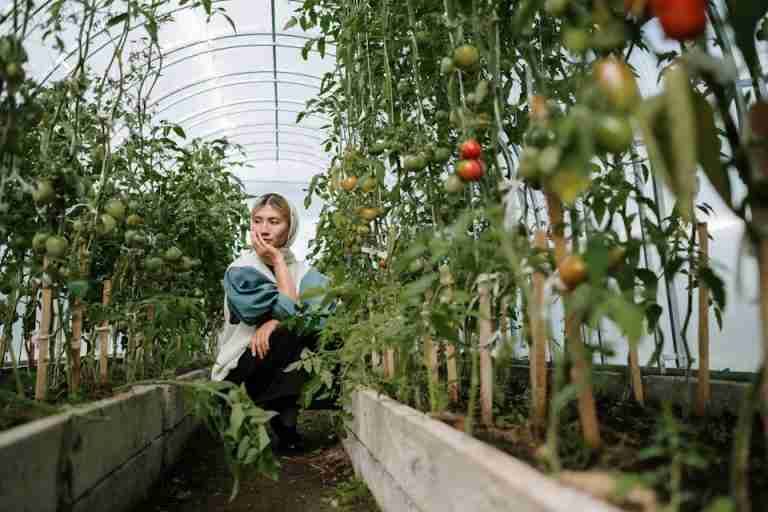
Herbs can be dried or frozen in ice cube trays with olive oil, ready to toss into a pan at a moment’s notice. Canning is another option, particularly for tomatoes and pickles, though it requires more equipment and preparation. Fermenting vegetables, such as making sauerkraut from cabbage, is another method that not only preserves but adds unique flavors and health benefits.
Many find that investing in a dehydrator can be worthwhile, especially for making homemade dried herbs or fruit snacks. Models vary in price from $40 to several hundred dollars, but even a basic model can offer great results.
Sharing and Savoring: Building Community Through Gardening
Homegrown produce often yields more than one household can consume, leading to opportunities for sharing. Swapping vegetables with neighbors not only prevents waste but also fosters community connections. Consider starting a produce exchange group in your neighborhood or local community center.
For those looking to expand their gardening knowledge, joining a local gardening club or online community can provide support and resources. Websites like GardenWeb offer forums where enthusiasts share tips and troubleshoot common problems.
This engagement extends beyond just growing food; it builds a community of like-minded individuals passionate about sustainability and self-reliance. Hosting a garden tour or workshop can further enhance community spirit, allowing others to see firsthand the benefits and joys of homegrown produce.
Bringing It All Together: Start Your Homegrown Journey Today
Growing your own ingredients and cooking with them doesn't just nourish the body; it cultivates a sense of accomplishment and connection to the food you eat. Whether you're an experienced gardener or a novice, the benefits are tangible and rewarding. From the first seeds planted to the final dish served, the journey offers a unique blend of challenges and joys.
Today could be the perfect day to start your own homegrown culinary adventure. Whether it's a small herb garden on your windowsill or a full vegetable plot in the backyard, the first step is simply to plant that seed.