The Weekend Meal Prep Trick That Got Me Excited About Eating Healthy
Imagine opening the fridge on a busy weekday morning, and instead of staring blankly at a hodgepodge of ingredients, you're greeted by neatly organized containers of delicious, ready-to-eat meals. This simple but transfo

Imagine opening the fridge on a busy weekday morning, and instead of staring blankly at a hodgepodge of ingredients, you're greeted by neatly organized containers of delicious, ready-to-eat meals. This simple but transformative scenario is the promise of effective meal prep. For many, the idea of eating healthy feels like a daunting task—one that requires time, effort, and often, a complete overhaul of lifestyle habits. But what if a simple weekend trick could make healthy eating not just manageable, but genuinely exciting?
The Magic of Batch Cooking: A 30-Minute Investment
One of the most effective meal prep strategies is batch cooking. This involves preparing large quantities of specific ingredients or meals all at once, which can then be used throughout the week. This method is particularly useful for staples like grains, proteins, and vegetables that form the backbone of many healthy dishes.
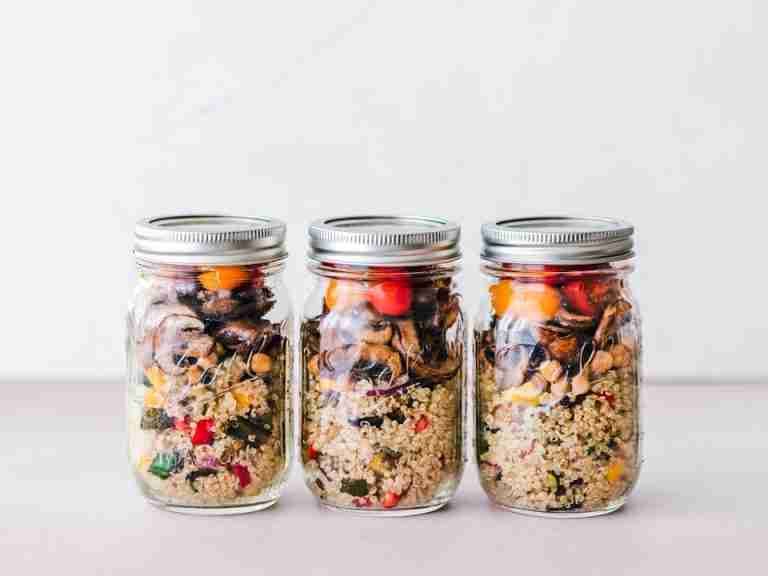
Here's how it works: dedicate about 30 minutes on a Sunday to cook a big pot of quinoa or brown rice, roast a tray of mixed vegetables, and grill or bake a few chicken breasts or tofu blocks. Once cooled, these can be portioned into containers, ready to be mixed and matched into various meals. The key is to keep it simple and versatile, which allows for creativity and flexibility during the week.
To maximize the benefits of batch cooking, consider incorporating a variety of cooking techniques and flavor profiles. For instance, while roasting vegetables, you could also steam a batch for a different texture, or saute some with garlic and olive oil for an added dimension of taste. This method not only saves time but also ensures that meals remain diverse and enjoyable.
Meal Planning with Notion: Organize Your Week
A well-organized meal plan is crucial to successful meal prep. This is where digital tools like Notion come into play. Notion allows users to create detailed meal plans, complete with grocery lists and cooking schedules, all in one place. By setting aside time to plan meals for the week, you can ensure a healthy variety of dishes that use the ingredients prepped on the weekend.
For those new to meal planning, start by choosing three or four recipes that share common ingredients. This method not only minimizes waste but also keeps the grocery bill in check. Once the meals are planned, use Notion to generate a shopping list, ensuring that all necessary items are purchased in one trip.
For added convenience, consider categorizing your shopping list by sections of the grocery store, such as produce, dairy, and dry goods. This organization method can make your shopping trips more efficient, saving valuable time that can be better spent on meal prep.
Build a Flavorful Spice Rack: The Game Changer for Meal Variety
A well-stocked spice rack can turn a bland meal into something exciting and flavorful. While meal prep often involves cooking basic ingredients in bulk, the real magic happens when those ingredients are seasoned differently throughout the week. Consider investing in a variety of spices and herbs like cumin, smoked paprika, Italian seasoning, and fresh basil or cilantro.
For instance, the same grilled chicken can take on a Mexican flair with cumin and chili powder, or an Italian twist with oregano and thyme. This approach not only enhances the taste but also keeps meals interesting, making healthy eating something to look forward to.
Experimenting with spice blends can also be a fun and educational experience. Try making your own custom spice mixes to tailor the flavor profile to your liking. For example, a homemade curry powder or a unique barbecue rub can add a personal touch to your meals, elevating them beyond the usual fare.
Store Smart: Maximize Freshness and Minimize Waste
Proper storage is essential to maintaining the quality and freshness of prepped meals. Investing in high-quality, airtight containers is a small but impactful step. Glass containers are often recommended as they are durable, microwave-safe, and do not retain odors.
Labeling containers with the date and contents can prevent food from going to waste. Additionally, some foods, like leafy greens and berries, last longer when stored with a damp paper towel to absorb excess moisture. By storing ingredients properly, you’re not only preserving their nutritional value but also ensuring that every meal tastes as fresh as the day it was made.
Consider organizing your fridge and pantry such that frequently used items are easily accessible. This practice not only streamlines meal prep but also reduces the likelihood of forgetting about ingredients, further minimizing waste.
Time-Saving Kitchen Gadgets: Efficient Meal Prep
Incorporating a few key kitchen gadgets can significantly streamline the meal prep process. A multi-cooker like the Instant Pot can be a game changer, allowing for quick cooking of grains, beans, and even stews. A high-quality chef's knife and a sturdy cutting board can drastically reduce the time spent chopping vegetables.
Another handy tool is a food processor, which can make quick work of slicing, dicing, and even pureeing ingredients. By reducing the time it takes to prepare ingredients, these gadgets make the meal prep process more efficient and enjoyable.
For those who enjoy smoothies or homemade soups, a high-powered blender can be invaluable. It can blend ingredients into a creamy texture in seconds, opening up a whole new world of meal possibilities. These tools, while initially an investment, pay for themselves in time savings and enhanced meal quality.
The Power of Freezing: Extend Shelf Life and Variety
Freezing is an excellent way to extend the shelf life of prepped meals and increase variety without additional effort. By doubling the batch size of certain recipes and freezing half, you can enjoy different meals throughout the month. Soups, stews, and casseroles freeze particularly well and can be a lifesaver on days when cooking from scratch is not an option.
When freezing meals, use freezer-safe containers or bags to prevent freezer burn. It’s also helpful to label them with the contents and date, ensuring meals are consumed while they’re still at their best.
To further enhance the freezing process, consider flash freezing individual portions before storing them together. This technique allows you to remove only what you need, reducing waste and maintaining quality. Flash freezing is particularly useful for items like berries or slices of bread, where clumping can be an issue.
Incorporate Seasonal Ingredients: Freshness and Cost Savings
Using seasonal ingredients not only ensures that meals are fresh and flavorful but also keeps costs down. Seasonal produce is often cheaper and of higher quality, offering a natural variety to meal prep menus throughout the year. In the summer, consider dishes that highlight tomatoes, zucchini, and berries. In the fall, focus on squash, apples, and root vegetables.
Farmers' markets are an excellent source of fresh, seasonal produce, often offering a wider variety than traditional grocery stores. By incorporating these ingredients, meals become more vibrant and exciting, aligning with the natural rhythm of the seasons.
Experimenting with seasonal ingredients can also inspire new recipes and flavor combinations. For instance, a summer salad might feature fresh peaches and arugula, while a winter stew could highlight root vegetables and hearty greens. These seasonal dishes not only taste better but also provide a sense of connection to the environment and local community.
Meal Prep Apps: Stay on Track and Inspired
Technology can be a powerful ally in meal prep. Apps like Mealime and Yummly offer personalized meal plans and recipes tailored to specific dietary preferences. These apps often include built-in grocery lists and nutritional information, making it easy to stay on track with health goals.
By using meal prep apps, you can discover new recipes and techniques, preventing the routine from becoming monotonous. They offer inspiration and guidance, making the world of healthy eating more accessible and enjoyable.
Additionally, many apps provide community features where users can share tips, recipes, and experiences. Engaging with these communities can provide new ideas and motivation, creating a supportive network for your meal prep journey.
Starting Small: The Key to Sustainable Habits
For those new to meal prep, it can be tempting to dive in headfirst. However, experts suggest starting small to avoid feeling overwhelmed. Begin with just a few meals a week, gradually increasing as the process becomes more familiar. This approach allows habits to form naturally, making the transition to healthy eating sustainable in the long term.
Consider setting specific goals, such as prepping breakfast and lunch for the workweek. As confidence grows, expand the meal prep to include dinners and snacks. The gradual approach ensures that meal prep becomes an enjoyable routine rather than a chore.
Creating a checklist or journal to track progress can also be beneficial. Not only does this provide a sense of accomplishment as goals are met, but it also highlights areas for improvement, allowing for continuous refinement of the meal prep process.
Actionable Steps to Begin Today
Ready to transform your eating habits with meal prep? Start by choosing a day, like Saturday or Sunday, to dedicate a couple of hours to prep. Gather recipes that share common ingredients, stock up on spices, and invest in quality storage containers. Use digital tools to organize and plan, and explore apps for new ideas.
Remember, the journey to healthier eating doesn't have to be complicated. With a little planning, some strategic shopping, and a bit of creativity, meal prep can become a simple and exciting part of your routine. Take that first step today, and discover the joy of looking forward to every meal.