Why Fermented Foods Became My Kitchen’s Secret Weapon
For many, the kitchen is a realm of experimentation, where new flavors are constantly being discovered. Imagine opening your fridge to find a treasure trove of homemade kimchi, tangy sauerkraut, and a jar of sourdough st
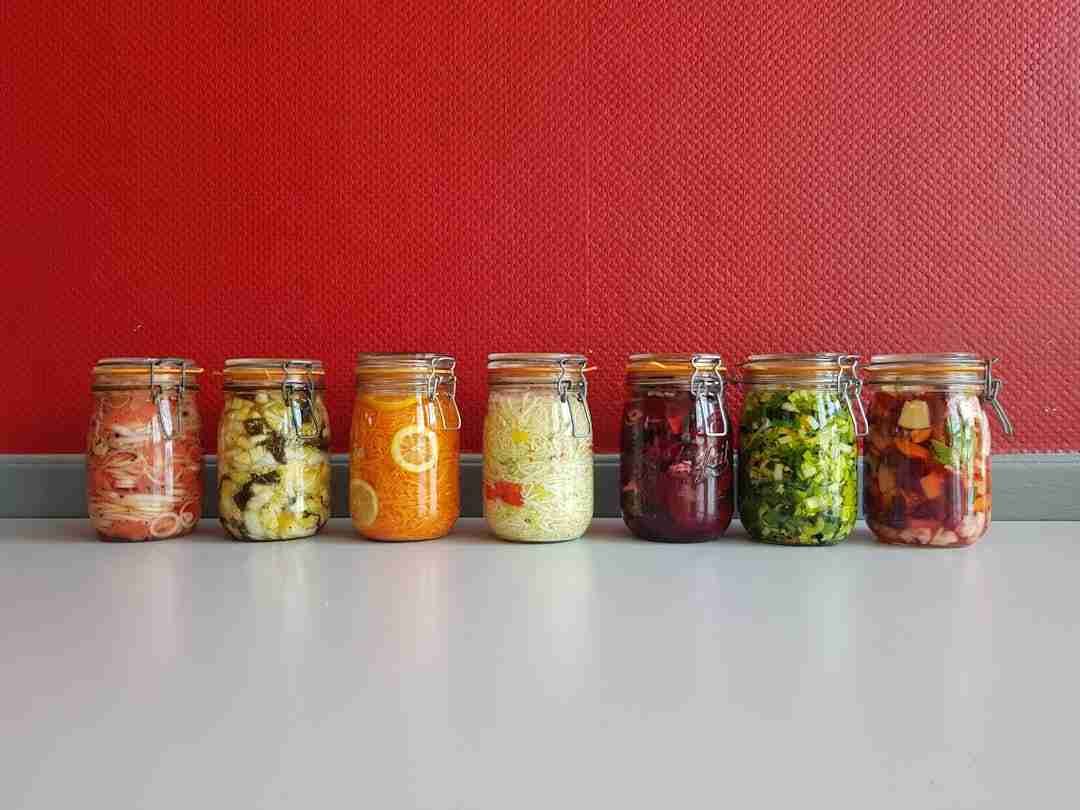
For many, the kitchen is a realm of experimentation, where new flavors are constantly being discovered. Imagine opening your fridge to find a treasure trove of homemade kimchi, tangy sauerkraut, and a jar of sourdough starter bubbling away. The secret to these delightful concoctions? Fermented foods. They're not just culinary curiosities; they're the unsung heroes of a well-stocked kitchen. This isn't about gourmet snobbery; it's about enhancing everyday meals and boosting health in the process.
The Fermentation Revival: Why It's More Than a Trend
Fermented foods have been making waves in recent years, and it's not without reason. They offer a unique combination of flavor, health benefits, and culinary versatility. Historically, fermentation was a method used to preserve foods before the invention of refrigeration. Fast forward to today, and it has transformed into a culinary art form. In fact, a 2019 study published in the journal Frontiers in Microbiology revealed that the global fermented food market was valued at approximately $575 billion, indicating a widespread appreciation and demand for these foods.
What's driving this resurgence? Fermented foods are praised for their probiotic content, which supports gut health. The gut-brain connection is a hot topic, with research from Harvard Health Publishing suggesting that a healthy gut can positively impact mood and cognitive function. Adding these foods to your diet could be a simple yet effective way to support overall well-being.
Kimchi: The Spicy Marvel with Proven Health Benefits
Kimchi, a staple in Korean cuisine, may just be the spicy kick your meals need. Not only does it pack a flavorful punch, but it's also loaded with nutrients. A study by the Journal of Medicinal Food found that kimchi consumption improved lipid profiles and antioxidant status in healthy young adults. This means it could help reduce cholesterol levels and oxidative stress, which are vital for heart health.
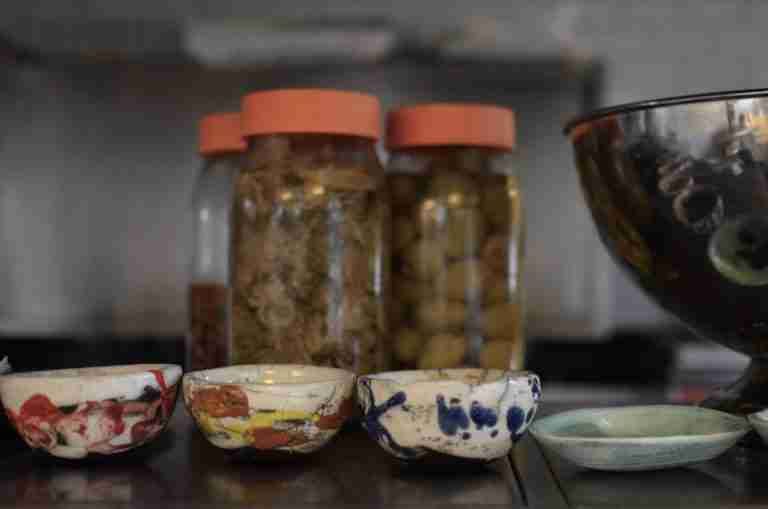
Making kimchi at home is surprisingly straightforward. You'll need Napa cabbage, Korean radish, garlic, ginger, and chili pepper flakes. After salting the cabbage to draw out moisture, mix in the spices and let it ferment at room temperature for a few days. The result is a tangy, spicy side dish that complements everything from rice bowls to tacos.
For a more creative use, consider incorporating kimchi into grilled cheese sandwiches or as a topping for burgers, providing a zesty contrast to the rich flavors.
Here's a practical tip: Always keep your kimchi in a sealed container to prevent its pungent aroma from infusing your fridge.
Sourdough: The Art of Breadmaking with a Digestive Twist
Sourdough bread has gained a loyal following, not just for its distinctive taste but also for its digestive benefits. Unlike regular bread, sourdough is made using a naturally occurring starter of wild yeast and bacteria. This fermentation process breaks down gluten, making it easier to digest. It's particularly beneficial for those with mild gluten sensitivities.
Creating your own sourdough starter requires just two ingredients: flour and water. Mix them together and let the wild yeast do its magic. Within a week, you'll have a bubbly starter ready to use in bread recipes. According to a study in the Journal of Cereal Science, sourdough fermentation can increase the bioavailability of minerals like iron and zinc, making this bread not only delicious but nutritious.
For those looking to try their hand at sourdough, King Arthur Baking offers detailed guides and recipes to get started. Sourdough can also be used beyond traditional loaves—try it for pancakes or waffles to bring a tangy twist to your breakfast routine.
Sauerkraut: A Gut-Friendly Staple with a Crunch
Sauerkraut is the quintessential fermented food, known for its tangy crunch and gut-friendly properties. Made from cabbage fermented with lactic acid bacteria, sauerkraut is rich in probiotics. These beneficial bacteria are known to support digestive health and boost the immune system. The American Journal of Clinical Nutrition highlights that regular consumption of fermented foods like sauerkraut can lead to a more diverse gut microbiota, which is linked to better health outcomes.
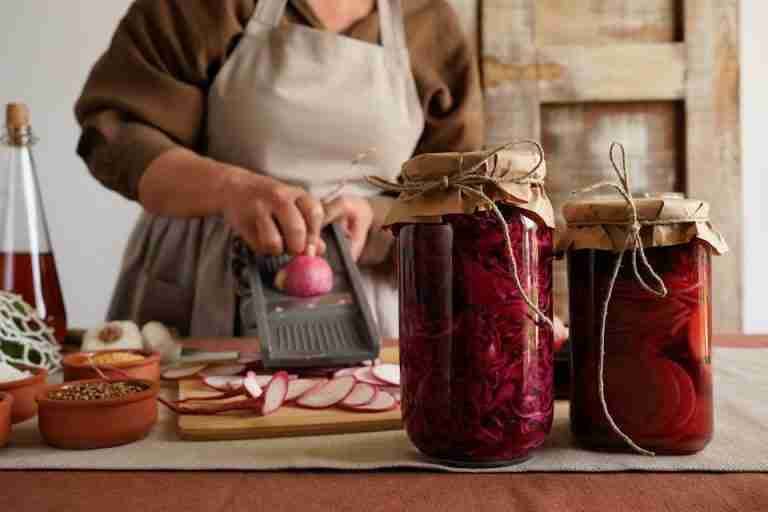
Preparing sauerkraut at home is a simple process. All you need is cabbage and salt. Shred the cabbage, mix it with salt, and pack it tightly into a jar. Over the course of a week, the cabbage ferments into a tangy condiment that's perfect for sandwiches, salads, or as a side dish.
For an extra punch of flavor, consider adding spices like caraway seeds or juniper berries during fermentation. These additions can enhance the sauerkraut's taste profile, making it even more appealing.
Remember, it's crucial to keep the cabbage submerged in its liquid during fermentation to prevent spoilage. A practical takeaway: use a weight or a smaller jar to keep the cabbage submerged in its brine.
Kombucha: The Fizzy Drink with a Cult Following
Kombucha, the effervescent fermented tea, has captured the hearts of many health enthusiasts. Known for its tangy flavor and fizzy texture, kombucha is often lauded for its health benefits. A study in Food Research International suggests that kombucha's polyphenols and acetic acid contribute to its antimicrobial properties, which may aid in digestion and support liver function.
Brewing kombucha at home requires a SCOBY (symbiotic culture of bacteria and yeast), tea, and sugar. Once the tea is brewed and cooled, simply add the SCOBY and let it ferment for a week. The result is a refreshing drink that's perfect for those looking to cut down on sugary sodas.
Experiment with flavors by adding fruits or herbs during the second fermentation. This customization allows you to create a personalized beverage that suits your taste preferences.
For those new to kombucha brewing, Kombucha Kamp provides comprehensive resources and starter kits to ensure success.
Miso: The Umami Powerhouse with Versatile Uses
Miso, a fermented soybean paste, is a staple in Japanese cuisine. Its rich umami flavor can transform even the simplest dishes. Besides its culinary appeal, miso offers several health benefits. According to the Journal of Toxicologic Pathology, miso consumption may lower the risk of some cancers and improve cardiovascular health.

The versatility of miso is unmatched. It can be used in soups, marinades, dressings, and even desserts. For a quick and delicious miso soup, dissolve a tablespoon of miso paste in hot water and add tofu, seaweed, and green onions. This comforting dish can be prepared in under 10 minutes, making it a practical addition to any weeknight dinner.
For a unique twist, try using miso in a glaze for roasted vegetables or as a seasoning for popcorn, bringing a savory depth to your snacks.
A helpful tip: Add miso to dishes at the end of cooking to preserve its probiotic content.
How to Incorporate Fermented Foods Into Your Daily Routine
Integrating fermented foods into your daily diet doesn't have to be daunting. Start small by adding a spoonful of sauerkraut to your sandwiches or a side of kimchi to your scrambled eggs. Gradually introduce these foods to your meals and observe how they complement your existing diet.
Consider this: Fermented foods can replace less nutritious options. Instead of sugary sodas, try kombucha. Swap out store-bought dressings for a miso vinaigrette. Over time, these small changes can lead to significant health improvements.
To explore more about fermented foods, Cultures for Health offers a wealth of information and resources to get started.
The takeaway here is simple: Fermented foods are more than just a trend. They're a flavorful, nutritious addition to any kitchen arsenal, offering both health benefits and culinary inspiration. By embracing the art of fermentation, you can transform your meals and support your health in an enjoyable and sustainable way. So, why not give fermented foods a try today? Your taste buds and your gut will thank you.